When choosing between a 1x (single chainring) and 2x (double chainring) drivetrain, one of the most debated factors is friction. Friction impacts shifting performance, pedaling efficiency, and overall drivetrain longevity. But which system has less friction? Which is more efficient for different riding styles?
In this in-depth guide, we’ll explore:
Let’s dive in!
Friction in a drivetrain occurs in several places:
Higher friction means:
Now, let’s compare how 1x and 2x drivetrains handle friction.
A 1x drivetrain uses a single chainring paired with a wide-range cassette (e.g., 10-52T). This setup eliminates the front derailleur, reducing complexity.
✅ No cross-chaining – The chain stays in a straight line, minimizing drag.
✅ Fewer moving parts – No front derailleur means less friction from extra pulleys and shifts.
✅ Better chain retention – Narrow-wide chainrings and clutch derailleurs reduce chain slap.
❌ Higher chain bend friction – Larger cassette cogs (e.g., 50T+) force the chain to bend more, increasing resistance.
❌ More extreme gear jumps – Shifting between widely spaced cogs can be less smooth.
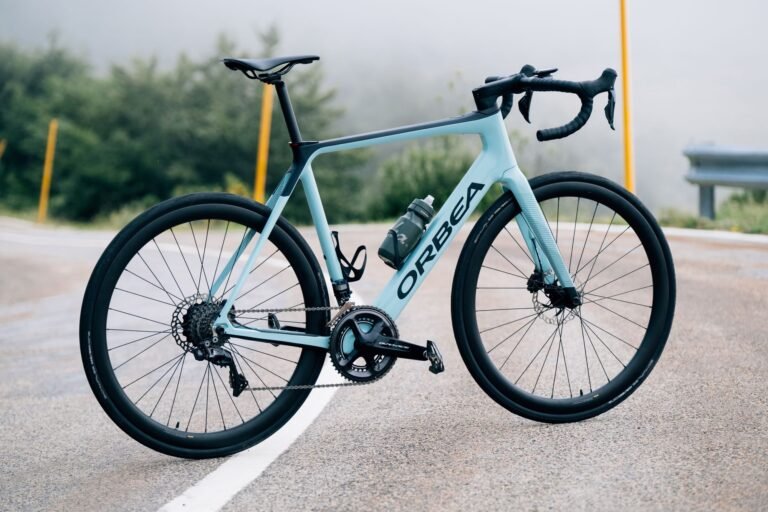
A 2x drivetrain uses two chainrings (e.g., 50/34T) with a closer-ratio cassette (e.g., 11-34T). This provides tighter gear steps and a wider overall range.
✅ Less chain bend on small cogs – The chain runs straighter in most gears, reducing resistance.
✅ More efficient gear steps – Smaller jumps between gears mean smoother pedaling.
✅ Better for high-speed riding – Larger chainrings keep the chain in a more efficient position.
❌ Cross-chaining friction – Using the big chainring with the biggest cog (or small chainring with smallest cog) increases drag.
❌ More moving parts – Front derailleurs add complexity and potential friction points.
Studies and real-world tests show:
| Factor | 1x Drivetrain | 2x Drivetrain |
|---|---|---|
| Chain Bend Friction | Higher in low gears | Lower in most gears |
| Cross-Chaining Friction | None | Present if misused |
| Shift Friction | Smoother (no front shifts) | More friction from front derailleur |
| Maintenance Friction | Lower (fewer parts) | Higher (more adjustments needed) |
✔ Want simplicity and reliability
✔ Ride off-road (MTB, gravel, adventure biking)
✔ Prefer less maintenance
✔ Don’t mind larger gear jumps
✔ Need tight gear spacing (road racing, endurance rides)
✔ Want maximum efficiency across all gears
✔ Don’t mind extra maintenance (front derailleur adjustments)
What’s your preference?
Q: Does 1x waste more energy than 2x?
A: Only in the easiest gears (due to chain bend). In the middle gears, 1x can be just as efficient.
Q: Can I convert my 2x to 1x?
A: Yes, but you’ll need a narrow-wide chainring, a clutch derailleur, and possibly a wider-range cassette.
Q: Which lasts longer, 1x or 2x?
A: 1x often lasts longer because there’s no front derailleur to wear out, but chain wear depends on maintenance.
Q: Is 1x good for climbing?
A: Yes, if you have a wide-range cassette (e.g., 10-52T). However, gear jumps may be less smooth than 2x.