It’s time to reveal the winner of Cycling Weekly’s 2023 Race Bike of the Year award – but not before we explain how we chose the contenders and the criteria we used to judge them.
We only considered bikes that are raced at the WorldTour level, and we picked the most notable model from each brand. That means some brands have more than one bike on test, while others have none.
We also didn’t limit ourselves to one type of race bike. We included both aero bikes and climbers’ bikes, as these categories have become more blurred in recent years. Aero bikes have become lighter and more comfortable, while climbers’ bikes have adopted some aero features. Some aero bikes even look like climbers’ bikes, with skinny frames and minimal drag.
To compare these different types of race bikes, we gave awards for the Best Aero Bike and Best Climbers’ Bike on test, as well as the Best Value Bike and the overall Race Bike of the Year winner.
We asked for bikes with second-tier groupsets, as they perform almost as well as the top-end ones. Some bikes came with higher-spec groupsets, but we didn’t give them extra points for that.
Cycling Weekly’s Race Bike of the Year 2023
At Cycling Weekly, we test cycling tech with hard miles and honest, unbiased advice. Find out more about how we test.
Wilier Filante SLR
Wilier may not be the most famous brand, but it has a long history and a knack for innovation. The Wilier Filante SLR is one of the pioneers of the ‘lightweight aero’ trend, with a slim frame that claims to be faster than its bulkier predecessors.
The Filante SLR is a joy to ride. It climbs like a dream, thanks to its stiff frame and low weight. It also holds its speed well on the flats, thanks to its 50mm-deep wheels and 28mm Pirelli tyres. It’s especially suited to long, gradual climbs where you can enjoy its smoothness and responsiveness.
The Filante SLR is a versatile bike that could win any category, except for ‘Best Value’. It’s a strong contender for ‘Race Bike of the Year’, but it loses out to the Cervélo S5, which is more aero and more comfortable. It’s also edged out by more specialised bikes in the ‘Best Aero’ and ‘Best Climbers’ categories.
The Filante SLR is an expensive bike, with no entry-level option. But if you can afford it, you’ll get a stunning bike that combines heritage and performance.
Canyon Aeroad CF SLX 8
The Canyon Aeroad is one of the most established aero bikes on the market, and it still delivers a fast and fun ride. The Aeroad has some nice features, such as an adjustable stack height, seatpost flex and handlebar width.
The Aeroad is very fast on the flat, thanks to its deep-section frame and wheels. It also handles well, with a balanced and agile feel. However, it could be improved by upgrading the wheels and tyres, which are narrow and harsh compared to some of the newer models on test.
The Aeroad is also a great value bike, being the only one to cost less than £10,000 in its top spec. However, it’s not as light or as comfortable as some of the other bikes on test, and it doesn’t have the latest aero features.
The Aeroad is still a great bike, but it needs some updates to keep up with the competition.
Trek Madone
The Trek Madone got a major update last year, which made it lighter, faster and more comfortable. The Madone ditched the Iso-Speed system, which saved 300g of weight. It also added a seat-tube hole, which improved the ride quality. And it redesigned the tube shapes and handlebar, which saved 60 seconds per hour at any speed.
The Madone is an impressive bike. It’s very fast in a straight line, thanks to its deep-section frame and wheels. It also handles very quickly, responding to every input and change of direction. Some riders may love this, but others may prefer a more stable and predictable bike.
The Madone is also very expensive, being the third most costly bike on test in both its top-end and entry-level specs. The Madone is a great bike for those who can afford it, but it’s not for everyone.
Colnago V4RS
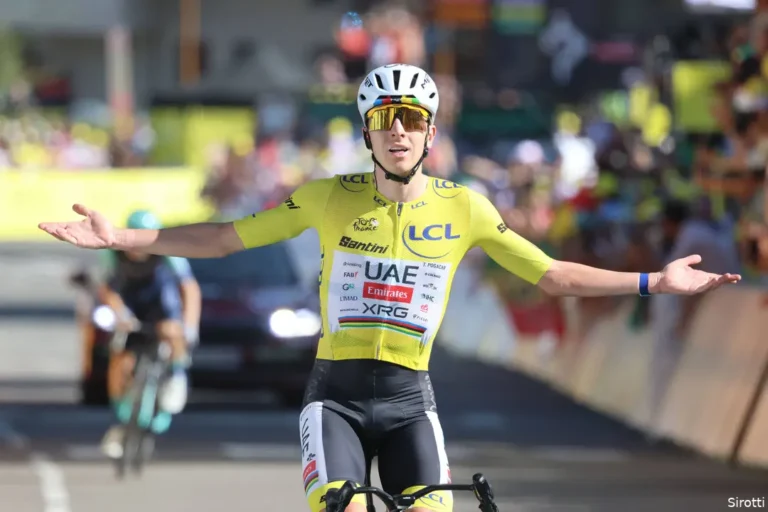
The Colnago V4RS is another example of a ‘lightweight aero’ bike, with a skinny frame that claims to be faster than its fatter rivals. The V4RS was developed with input from the UAE Emirates team, and it seems to work well for Tadej Pogačar, who has won several races on it.
The V4RS is a pure joy to ride. It’s fast off the mark and smooth on rough roads, thanks to its 50mm-deep wheels and 28mm tyres. It also climbs well, thanks to its stiff frame and low weight. And it’s especially good on long, steady climbs where you can appreciate its balance and poise.
The V4RS is a versatile bike that could win any category, except for ‘Best Value’. It’s a strong contender for ‘Race Bike of the Year’, but it loses out to the Cervélo S5, which is more comfortable and more tech-heavy. It’s also edged out by more specialised bikes in the ‘Best Aero’ and ‘Best Climbers’ categories.
The V4RS is an expensive bike, with no entry-level option. But if you can afford it, you’ll get a beautiful bike that combines tradition and performance.
BMC Teammachine
The BMC Teammachine has always been a lightweight bike, but it has also become more aero over time. The latest version has boxy, angular tubes that look similar to some of the newer aero bikes on test.
The Teammachine is an excellent bike. It’s fast to accelerate and holds its speed well on the flats. It also climbs well and descends confidently, thanks to its light weight and geometry. The tyres are Vittoria Corsas, which are grippy and fast-rolling.
The Teammachine has two big advantages over some of the other bikes on test. First, you can use any stem and handlebar you want, not just proprietary ones. Second, the entry-level model is very affordable compared to some of the other bikes on test.
However, the Teammachine is not as light or as comfortable as some of the other climbers’ bikes on test, such as the Cannondale SuperSix Evo. And it’s not as fast or as smooth as some of the other aero bikes on test, such as the Cervélo S5.
The Teammachine is a great bike that offers good value for money, but it doesn’t stand out in any category.
Scott Foil
The Scott Foil got a complete overhaul last year that made it lighter, faster and more comfortable than before. The Foil has a deep-section frame that looks like an old-school aero bike.
The Foil is an amazing bike. It’s very fast in a straight line, thanks to its deep-section frame and wheels. It also handles well, with a balanced and agile feel. And it’s surprisingly comfortable for an aero bike, thanks to its redesigned seatpost that allows more flex.
The Foil has two drawbacks compared to some of the other bikes on test. First, the handlebars are 42cm wide across all sizes, which may be too wide for some riders who prefer narrower bars for aerodynamics or comfort. Second, the price is very high compared to some of the other bikes on test.
The Foil is an awesome bike that offers great performance but at a premium price.
Cannondale SuperSix Evo Hi Mod 2
The Cannondale SuperSix Evo got some aero updates in 2019 that made it faster than before without compromising its light weight or comfort. The latest update in 2021 added more aero tweaks that saved another 11w over an hour at any speed.
The SuperSix Evo is an outstanding bike. It’s very light and stiff, making it easy to accelerate and climb with. It also holds its speed well on the flats thanks to its 50mm-deep wheels and aerodynamic features. And it handles superbly on any terrain thanks to its geometry and tyres.
The SuperSix Evo wins our award for ‘Best Climbers’ Bike’ because it combines light weight with speed and handling better than any other bike on test. However, it’s not as fast or as comfortable as our overall winner –the Cervélo S5 – especially on rougher roads or longer rides.
The SuperSix Evo is also quite expensive compared to some of the other bikes on test – although not as much as some of them.
Giant Propel Advanced Pro 1
The Giant Propel was one of the first ‘lightweight aero’ bikes when it was launched in 2021 – but unlike some of its rivals that have skinny frames – this one still looks like an old-school deep-sectioned machine.
The Propel is an impressive bike – especially considering its price point – which wins our award for ‘Best Value Bike’. It’s fast off-the-mark – holding speed well – thanks in part to those deep-sectioned wheels wrapped in 25mm GP5000 tyres – which are both top performers in their own right.
It also handles well – feeling playful but controlled – thanks in part to its shorter wheelbase – increased trail – bringing this model closer in line with Giant’s TCR climbing machine.
However – while impressively fast on flat terrain – sounding out vibrations better than others –it’s neither as fast nor as comfortable as our overall winner –the Cervélo S5– although Giant does steal march when climbing hills due to lower weight.
The awards
Overall winner – Cervélo S5
The Cervélo S5 is a bike that has it all: speed, comfort, handling and style. It’s the bike that won the yellow and green jerseys at the 2022 Tour de France, as well as several classics in 2021.
The S5 is not the most aero bike on test, but it’s still very fast, thanks to its updated tube shapes and comfy handlebars that let you stay low for longer. But what really sets the S5 apart is its handling and ride quality. It’s quick to respond but stable and predictable, making it easy to corner with confidence. It’s also surprisingly smooth for an aero bike, thanks to its wide tyres and wheels that absorb the bumps better than any other bike on test.
The S5 is not the lightest bike on test, but it doesn’t feel heavy to ride and it climbs well enough to keep up with the best. The S5’s balance of speed, comfort and handling makes it the best race bike of the year.
Best aero bike – Trek Madone
Aerodynamics is not just about how fast your bike is, but how fast your bike makes you. And the bike that does this best is the Trek Madone. The Madone has a deep-section frame and wheels that cut through the air, but its secret weapon is its handlebar design and sizing.
The Madone’s handlebars are narrow at the hoods, where you spend most of your time, and wider at the drops, where you need more control. This helps you get into a more aero position without compromising your comfort or handling. The handlebars also vary in width with the frame size, so smaller riders get narrower bars that suit them better.
The Madone is very fast in a straight line, but it’s also very twitchy in the corners, which may not suit everyone. It’s also very expensive compared to some of the other bikes on test. The Madone is a great bike for those who want to go as fast as possible, but it’s not for everyone.
Dream bike – Colnago V4RS
Sometimes, you just want a bike that makes you feel something special. A bike that combines heritage and performance in a way that no other bike can. A bike that is a modern classic. And that bike is the Colnago V4RS.
The V4RS is one of the latest examples of the ‘lightweight aero’ trend, with a skinny frame that claims to be faster than its fatter rivals. The V4RS was developed with input from the UAE Emirates team, and it has proven itself in some of the biggest races in the world.
The V4RS is a joy to ride. It’s fast off the mark and smooth on rough roads, thanks to its 50mm-deep wheels and 28mm tyres. It also climbs well, thanks to its stiff frame and low weight. And it’s especially good on long, steady climbs where you can enjoy its balance and poise.
The V4RS is an expensive bike, with no entry-level option. But if you can afford it, you’ll get a beautiful bike that combines tradition and performance.
Best climbing bike – Cannondale SuperSix Evo Hi Mod 2
Climbing bikes may not be as popular as they used to be in the pro peloton, but they still have a place for those of us who value light weight, comfort and handling over pure aerodynamics.
The best climbing bike on test is the Cannondale SuperSix Evo Hi Mod 2. The SuperSix Evo got some aero updates in 2019 that made it faster than before without compromising its light weight or comfort. The latest update in 2021 added more aero tweaks that saved another 11w over an hour at any speed.
The SuperSix Evo is an outstanding bike. It’s very light and stiff, making it easy to accelerate and climb with. It also holds its speed well on the flats thanks to its 50mm-deep wheels and aerodynamic features. And it handles superbly on any terrain thanks to its geometry and tyres.
The SuperSix Evo wins our award for ‘Best Climbers’ Bike’ because it combines light weight with speed and handling better than any other bike on test.
Best value – Giant Propel
Getting a good race bike doesn’t have to cost a fortune. The best value bike on test is the Giant Propel Advanced Pro 1. The Propel was one of the first ‘lightweight aero’ bikes when it was launched in 2021 – but unlike some of its rivals that have skinny frames – this one still looks like an old-school deep-sectioned machine.
The Propel is an impressive bike – especially considering its price point – which wins our award for ‘Best Value Bike’. It’s fast off-the-mark – holding speed well – thanks in part to those deep-sectioned wheels wrapped in 25mm GP5000 tyres – which are both top performers in their own right.
It also handles well – feeling playful but controlled – thanks in part to its shorter wheelbase – increased trail – bringing this model closer in line with Giant’s TCR climbing machine.
However – while impressively fast on flat terrain – sounding out vibrations better than others –it’s neither as fast nor as comfortable as our overall winner –the Cervélo S5– although Giant does steal march when climbing hills due to lower weight.
How we test
We tested our bikes in two ways: (1) back-to-back testing on a set loop and (2) long-term testing on different roads and conditions. This way, we got both direct comparisons and deeper insights into each bike’s performance.
Our tech features editor, Stefan Abram, rode all the bikes back-to-back on a loop in the North Wessex Downs that had flat sections, tight corners, a steep climb and a descent – testing each bike’s speed, handling, comfort and climbing ability.
But we also rode each bike for longer periods on different roads and terrains, to get a more complete picture of their strengths and weaknesses. Our testers Hannah Bussey, Simon Smythe and Anna Abram put in hundreds of miles on each bike and shared their honest opinions.
We only considered bikes that are raced at the WorldTour level, and we picked the most notable model from each brand. We also asked for bikes with second-tier groupsets, as they perform almost as well as the top-end ones.
We gave awards for different categories: Best Aero Bike, Best Climbers’ Bike, Dream Bike, Best Value Bike and overall Race Bike of the Year.
We also considered gender differences when testing our bikes. We had an even split between male and female testers, as we believe bikes should suit different body shapes rather than genders.
Hannah Bussey: Hannah lives near the Peak District, where she tested the bikes on some brutally steep climbs.
Simon Smythe: Simon rides in Sussex and Surrey, where he tested the bikes on some classic lanes.
Anna Abram: Anna moved from South East England to South Wales, where she tested the bikes on bigger hills, smaller roads and tougher weather conditions.
Stefan Abram: Stefan rides in Wales too but he also tested all the bikes back-to-back near Cycling Weekly’s offices in Reading.