
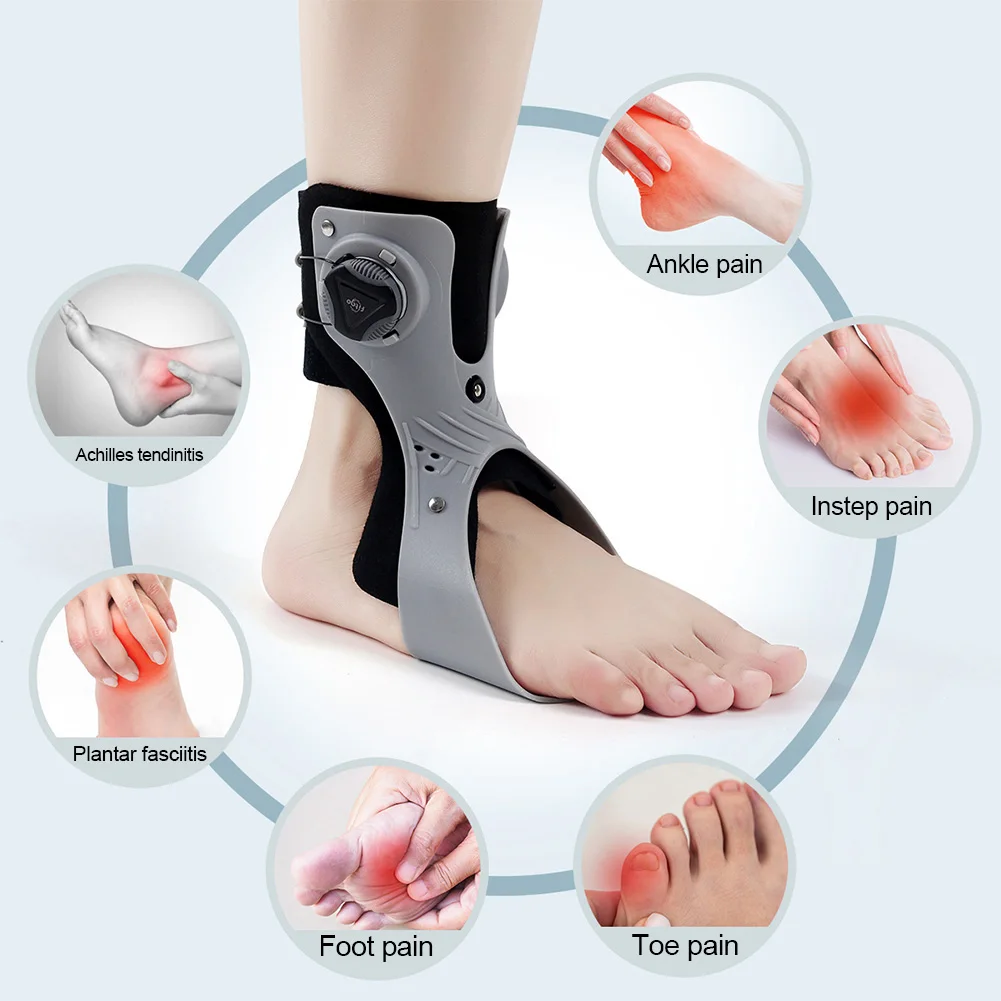
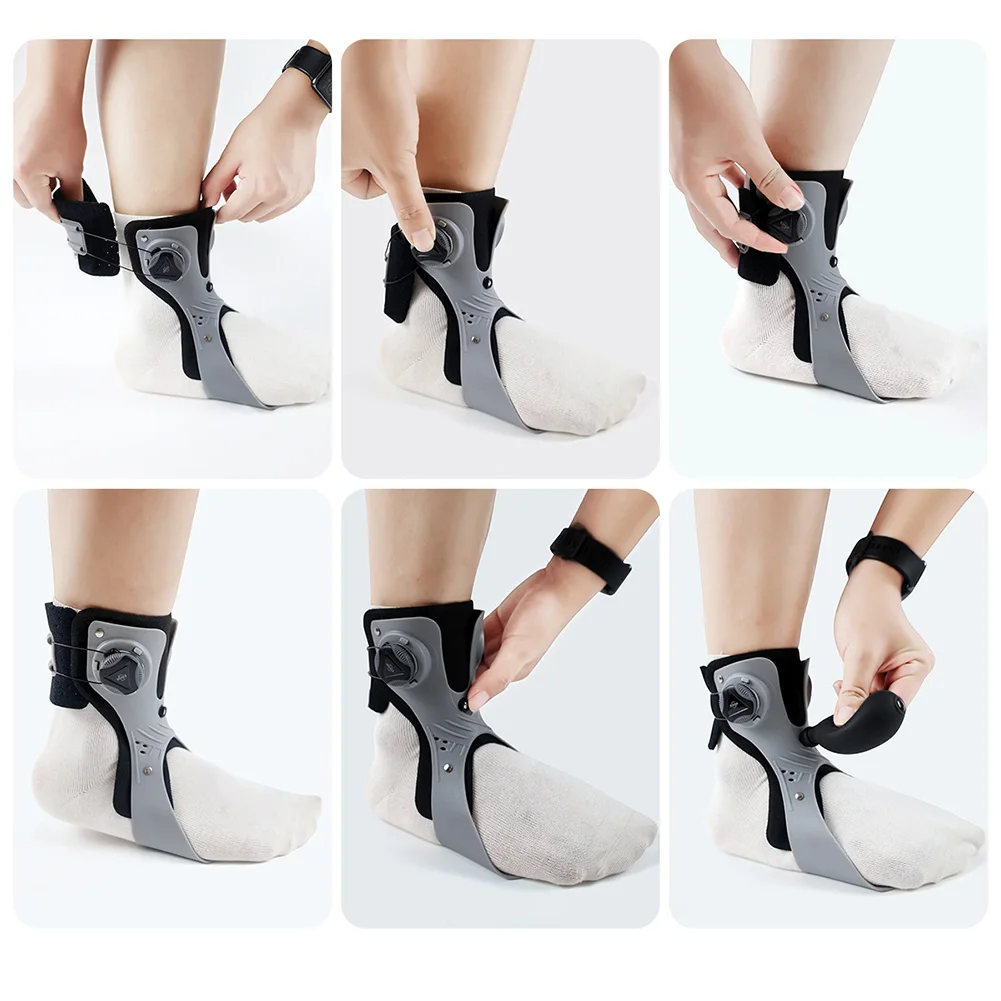
The Ultimate Guide to Adjustable Ankle Support for Cyclists
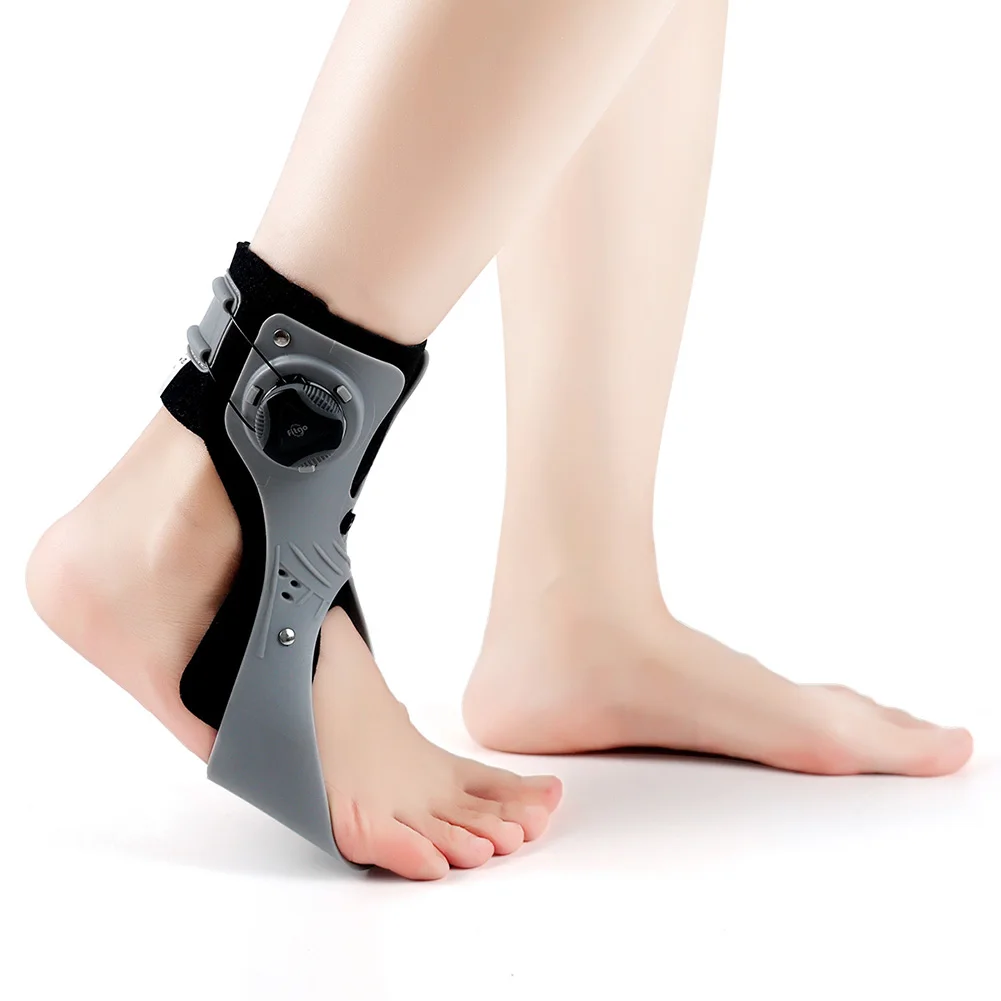
Cycling is a fantastic way to stay fit, explore the outdoors, and even commute efficiently. However, like any physical activity, it comes with its risks—especially for the ankles. Whether you’re a professional cyclist or a weekend rider, ankle injuries can sideline you for weeks or even months. That’s where adjustable ankle support comes in.
In this comprehensive guide, we’ll explore why ankle support is crucial for cyclists, the benefits of adjustable designs, top product recommendations, and tips for choosing the best one for your needs.
Why Do Cyclists Need Ankle Support?
Ankle injuries are common in cycling due to repetitive motion, sudden twists, or accidents. Some of the most frequent ankle-related issues include:
-
Sprains and Strains – Sudden movements or falls can overstretch ligaments.
-
Tendonitis – Overuse can inflame tendons around the ankle.
-
Instability – Weak ankles may struggle with long rides or uneven terrain.
-
Post-Injury Support – After an injury, extra stabilization helps prevent re-injury.
Ankle supports provide compression, stabilization, and protection, reducing pain and improving performance.
Benefits of Adjustable Ankle Supports
Not all ankle braces are created equal. Adjustable ankle supports offer unique advantages over traditional rigid braces:
1. Customizable Fit
-
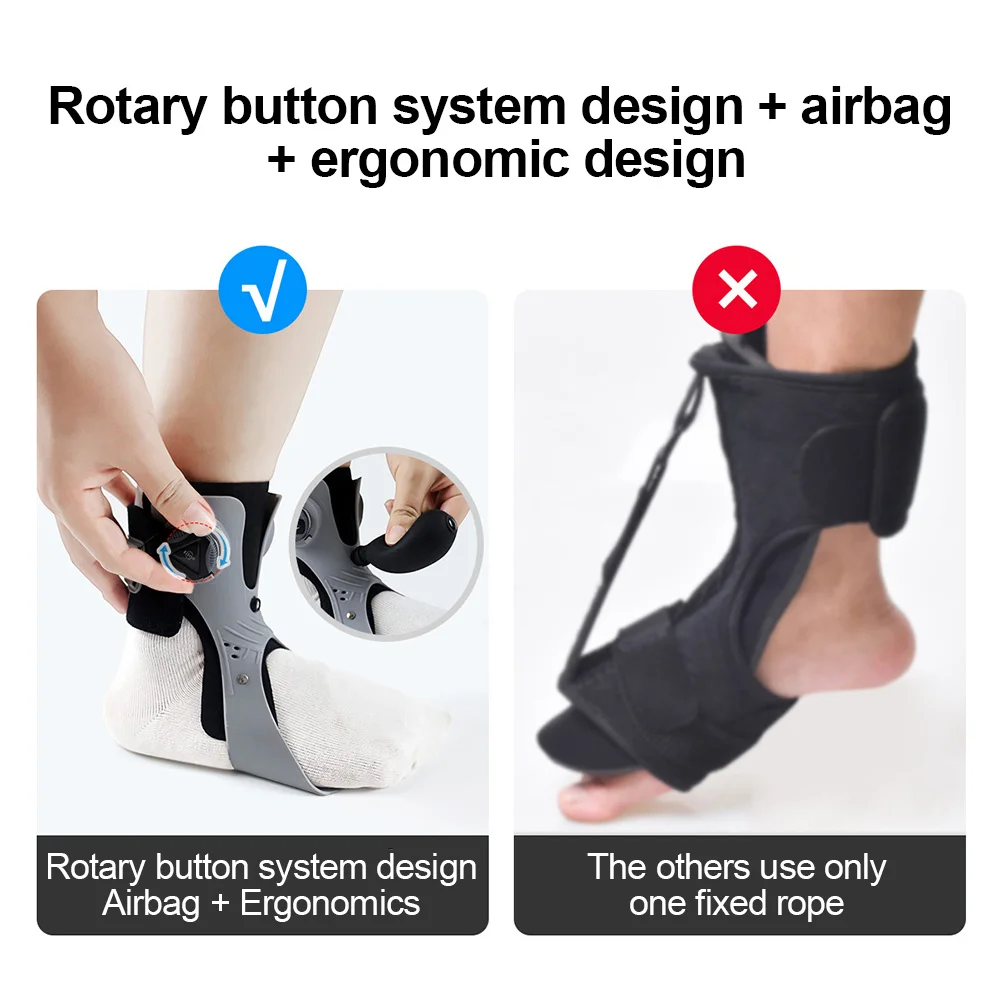
Unlike one-size-fits-all braces, adjustable straps allow you to tighten or loosen support based on comfort and injury severity.
-
Ideal for swelling fluctuations during long rides.
2. Enhanced Mobility
-
Rigid braces can restrict movement, but adjustable designs offer flexible support without sacrificing pedaling efficiency.
3. Breathable & Comfortable
-
Many adjustable supports use moisture-wicking materials to prevent sweat buildup.
-
Lightweight designs reduce bulk inside cycling shoes.
4. Versatility
-
Suitable for road cycling, mountain biking, spin classes, and recovery.
-
Can be worn with most cycling shoes.
5. Injury Prevention & Recovery
-
Helps prevent ankle rolls and twists.
-
Supports post-injury rehab by reducing strain.
How to Choose the Best Adjustable Ankle Support
Picking the right ankle brace depends on several factors:
1. Level of Support Needed
-
Mild Support: For general prevention or minor discomfort.
-
Moderate Support: For mild injuries or instability.
-
Maximum Support: For post-surgery recovery or chronic conditions.
2. Material & Breathability
-
Look for neoprene, mesh, or moisture-wicking fabrics to avoid sweat buildup.
3. Adjustability
-
Ensure straps or laces allow custom tightening without cutting circulation.
4. Shoe Compatibility
-
Test if the brace fits inside your cycling shoes without discomfort.
5. Durability
-
Reinforced stitching and high-quality materials ensure long-term use.
How to Use an Adjustable Ankle Brace for Cycling
-
Position the Brace Correctly – Ensure the support aligns with your ankle joint.
-
Adjust Straps Gradually – Start snug but not too tight; adjust as needed.
-
Check Mobility – Flex your foot to ensure natural pedaling motion.
-
Wear with Proper Footwear – Ensure your cycling shoes don’t pinch or rub.
-
Monitor Comfort – If you feel numbness or excessive pressure, loosen the straps.
Additional Tips for Ankle Care in Cycling
-
Warm-Up Before Riding – Dynamic stretches improve ankle flexibility.
-
Strengthen Ankle Muscles – Exercises like calf raises and resistance band workouts help.
-
Choose Proper Footwear – Stiff-soled cycling shoes reduce strain.
-
Listen to Your Body – If pain persists, rest and consult a physiotherapist.
Ankle injuries can disrupt your cycling routine, but with the right adjustable ankle support, you can ride with confidence and comfort. Whether you’re recovering from an injury or looking to prevent one, an adjustable brace offers the perfect balance of flexibility and stability.
Investing in a high-quality ankle brace means fewer injuries, better performance, and more enjoyable rides. Check out the recommended products above and choose the one that best fits your needs!
FAQs About Adjustable Ankle Supports
Q: Can I wear an ankle brace with cycling shoes?
A: Yes! Many adjustable braces are designed to fit snugly inside cycling shoes.
Q: How tight should an ankle brace be?
A: It should feel supportive but not cut off circulation. Adjust as needed during rides.
Q: Do ankle braces weaken ankles over time?
A: Not if used correctly. Pair bracing with strengthening exercises for long-term health.
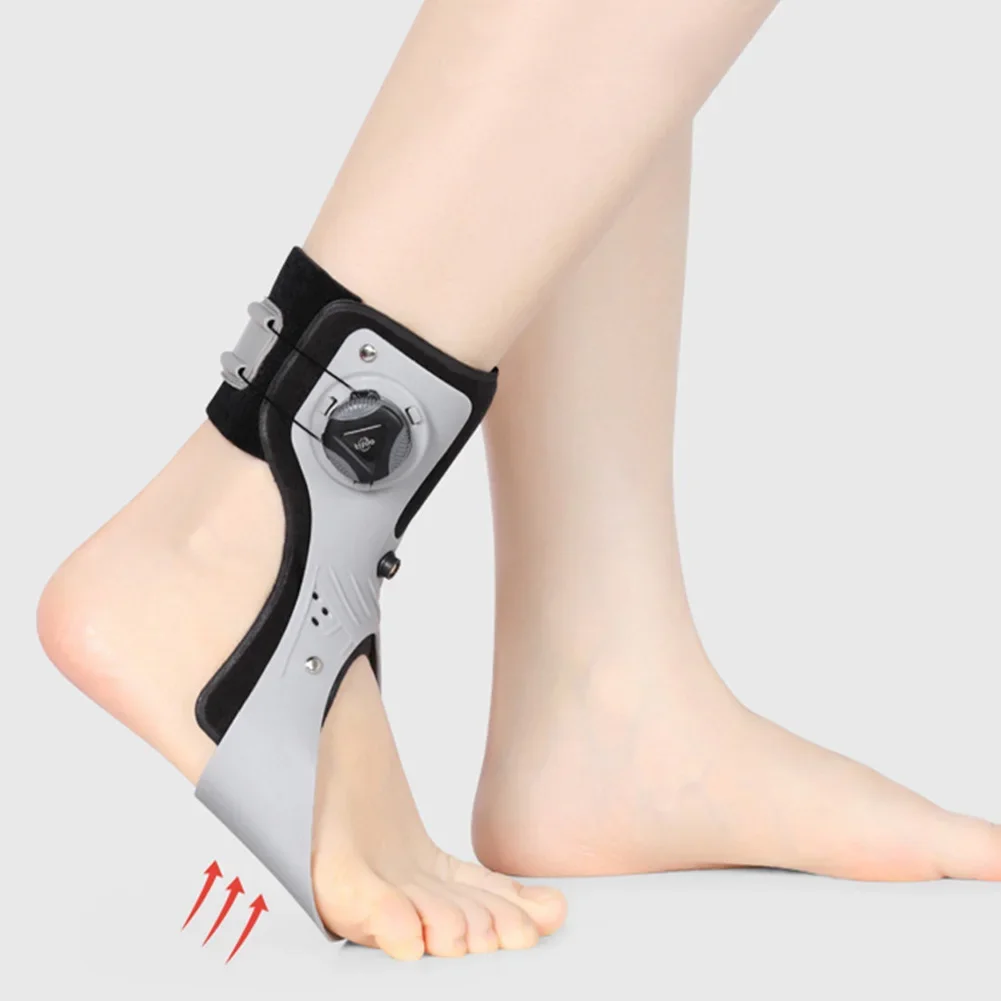
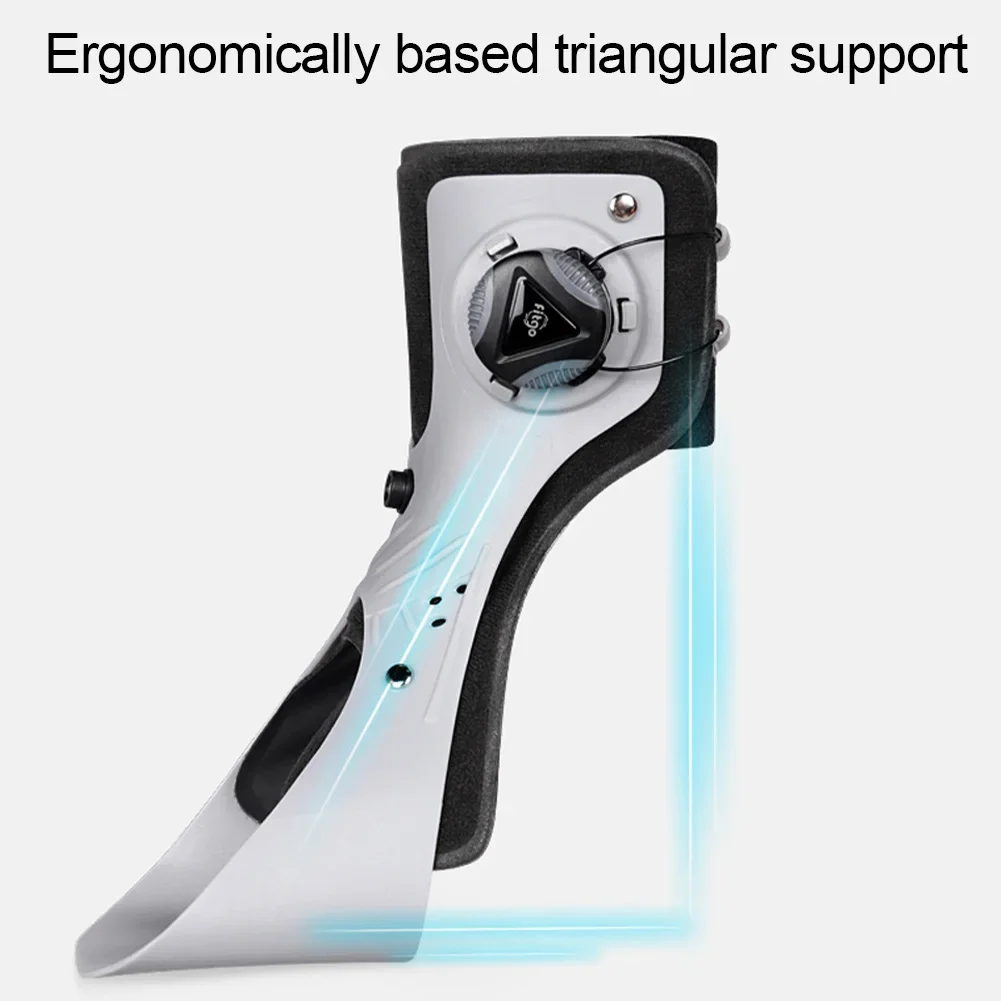
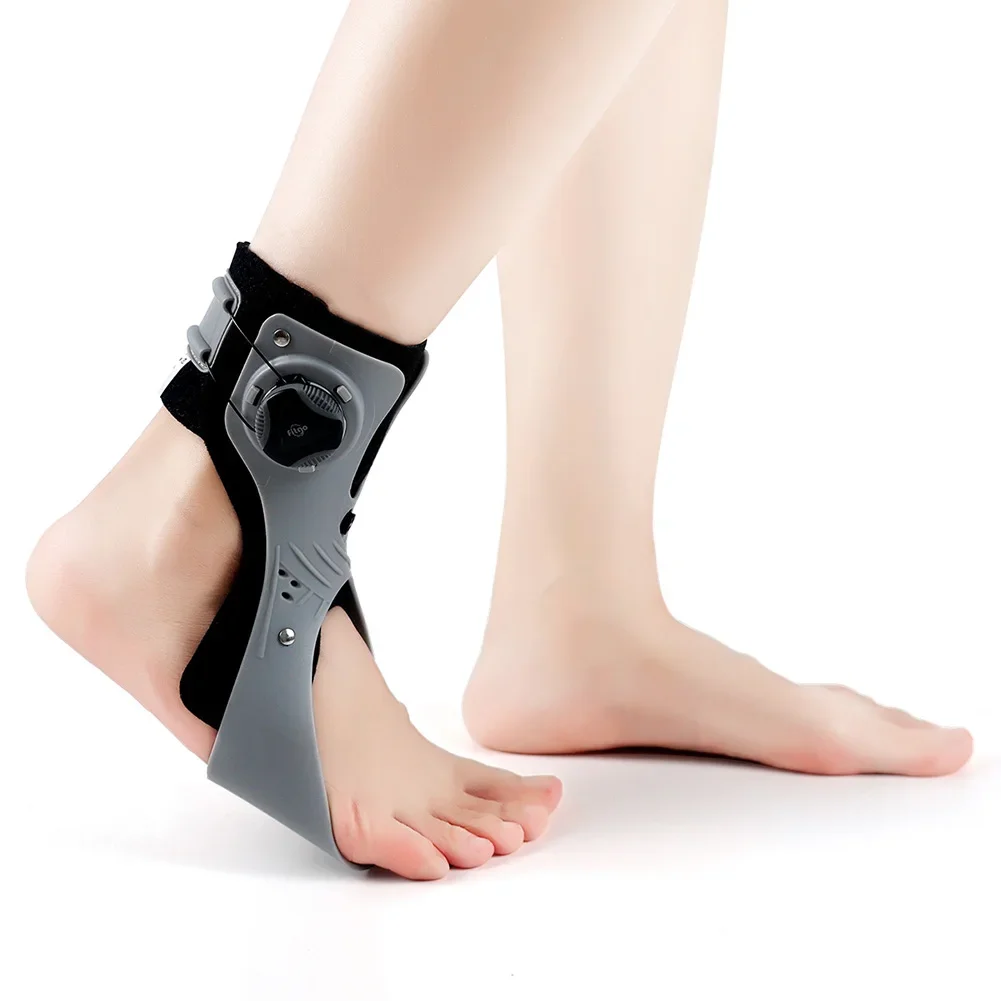
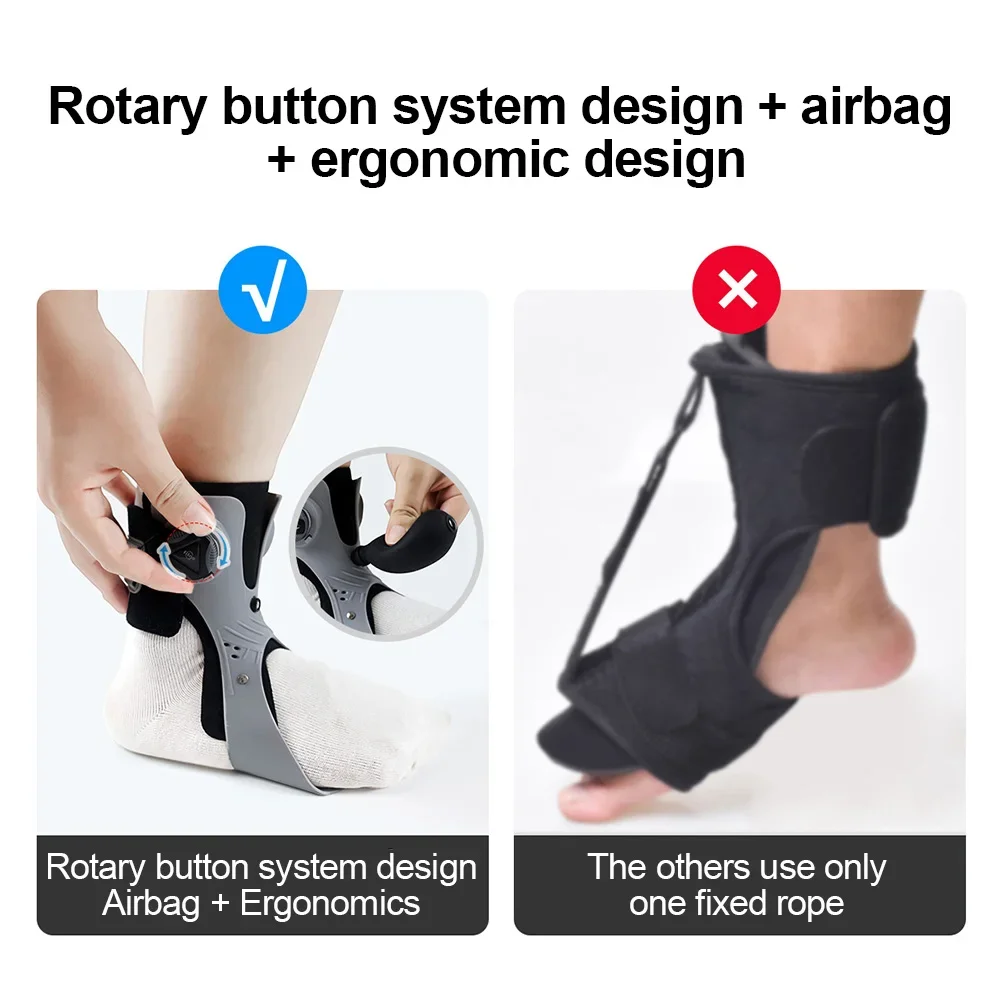
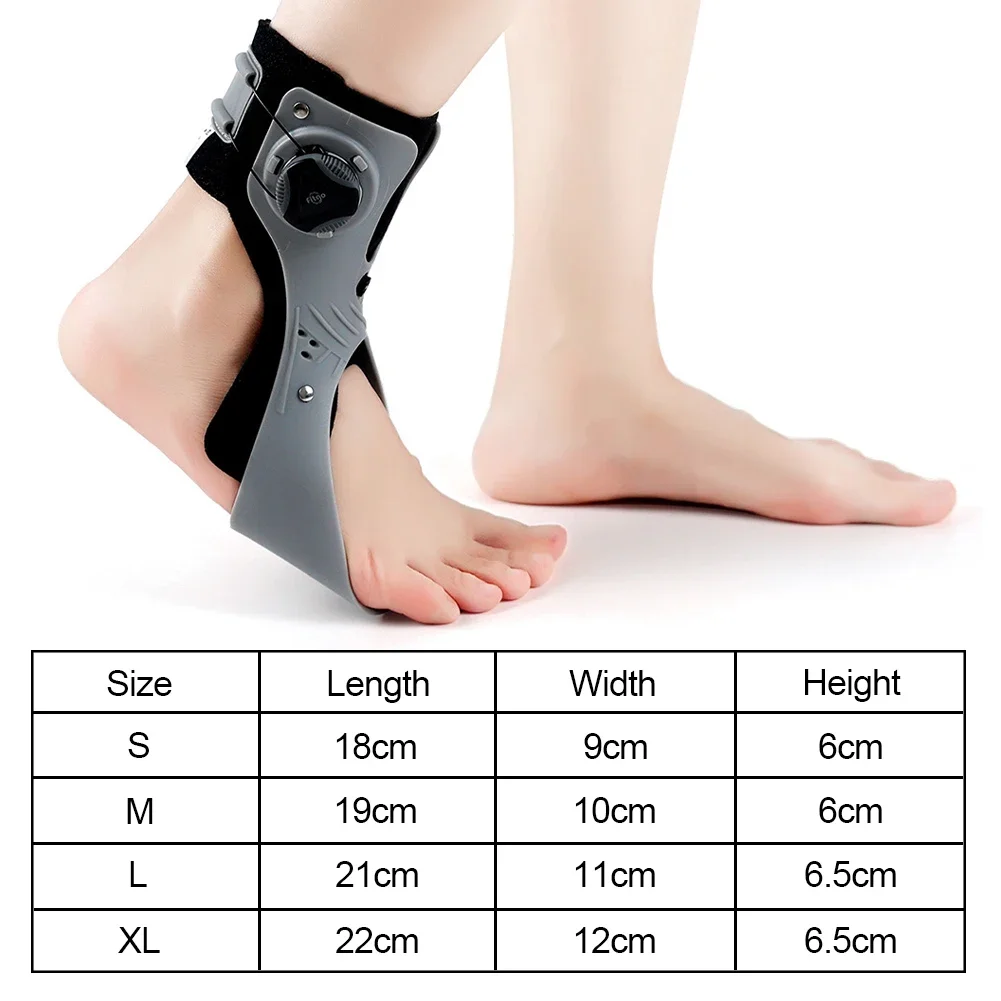
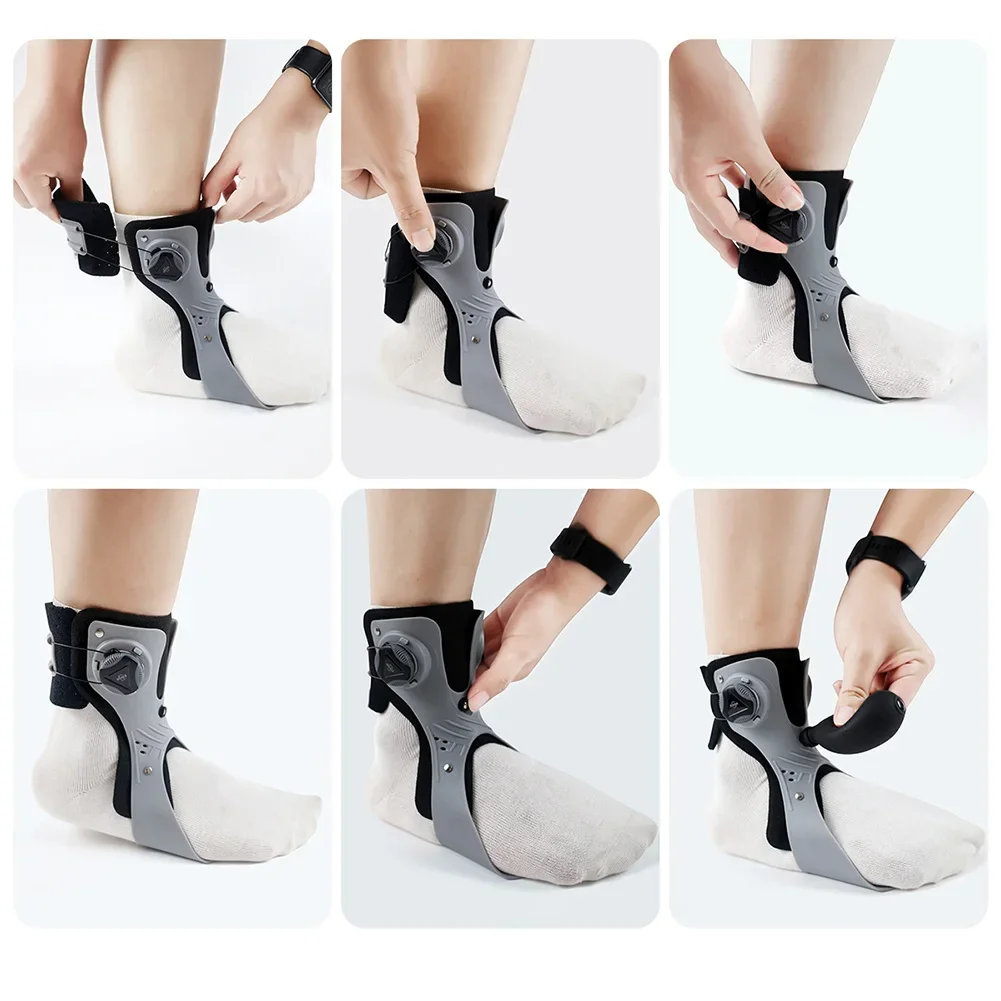
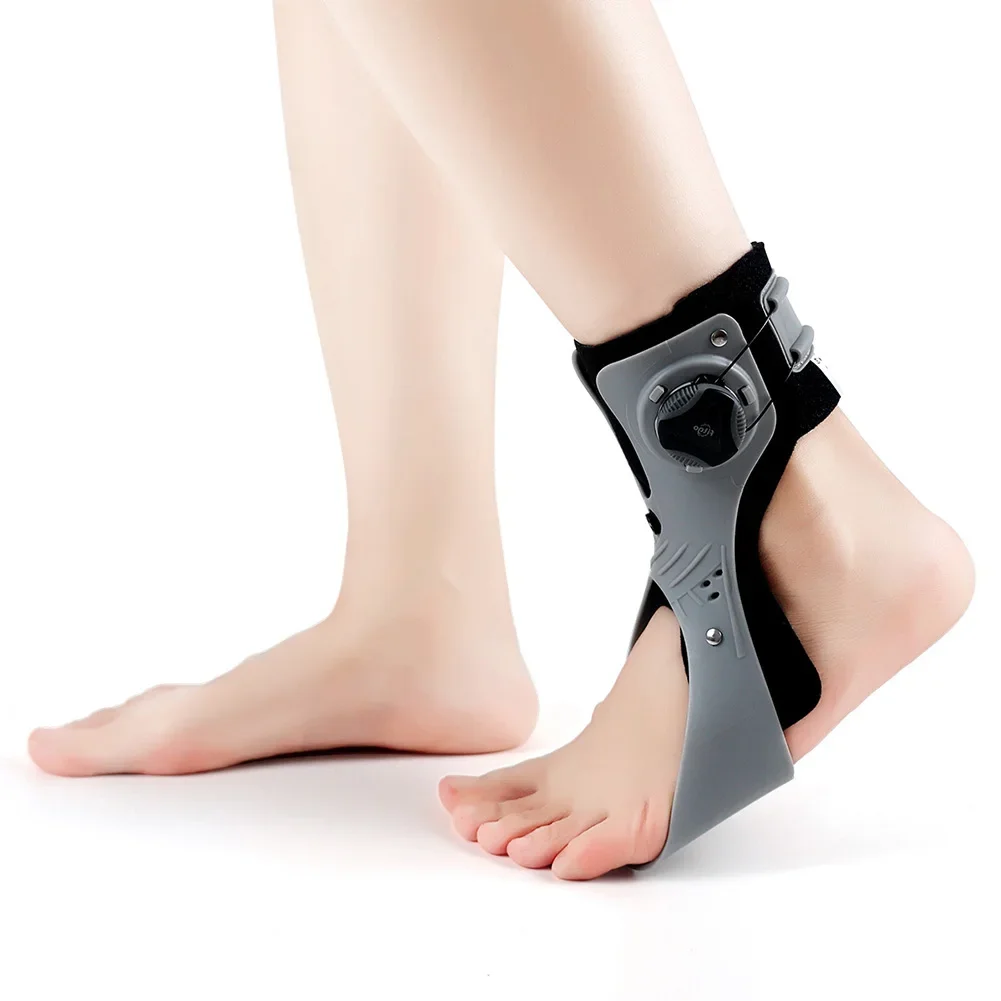
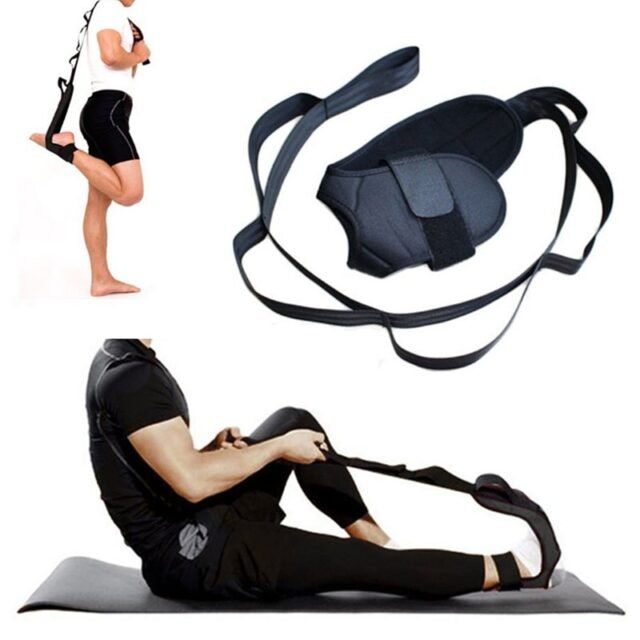






Can be adjust properly, says my father. Helps to be able to take steps better, wait and see how things are going on the street. Super fast delivery, arrived after 1 week ✨ ✨ ✨ ✨ ✨
Looks good
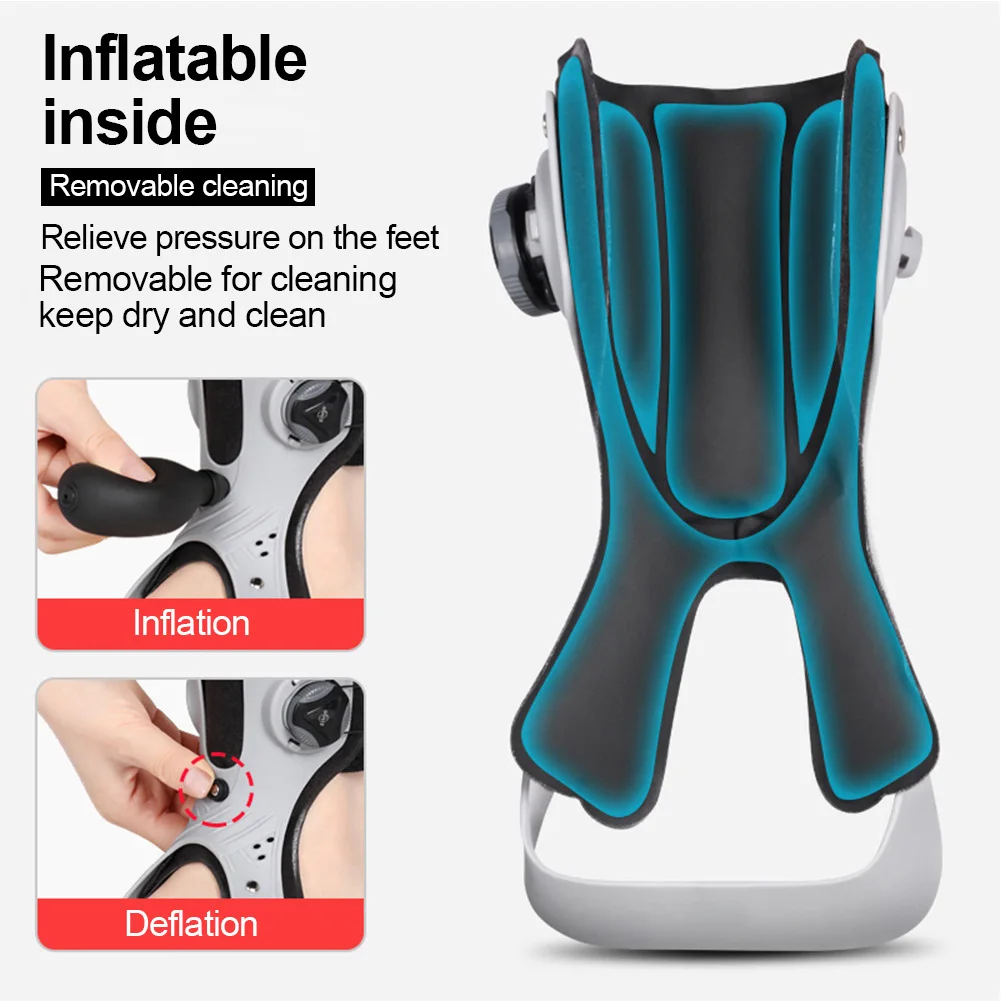
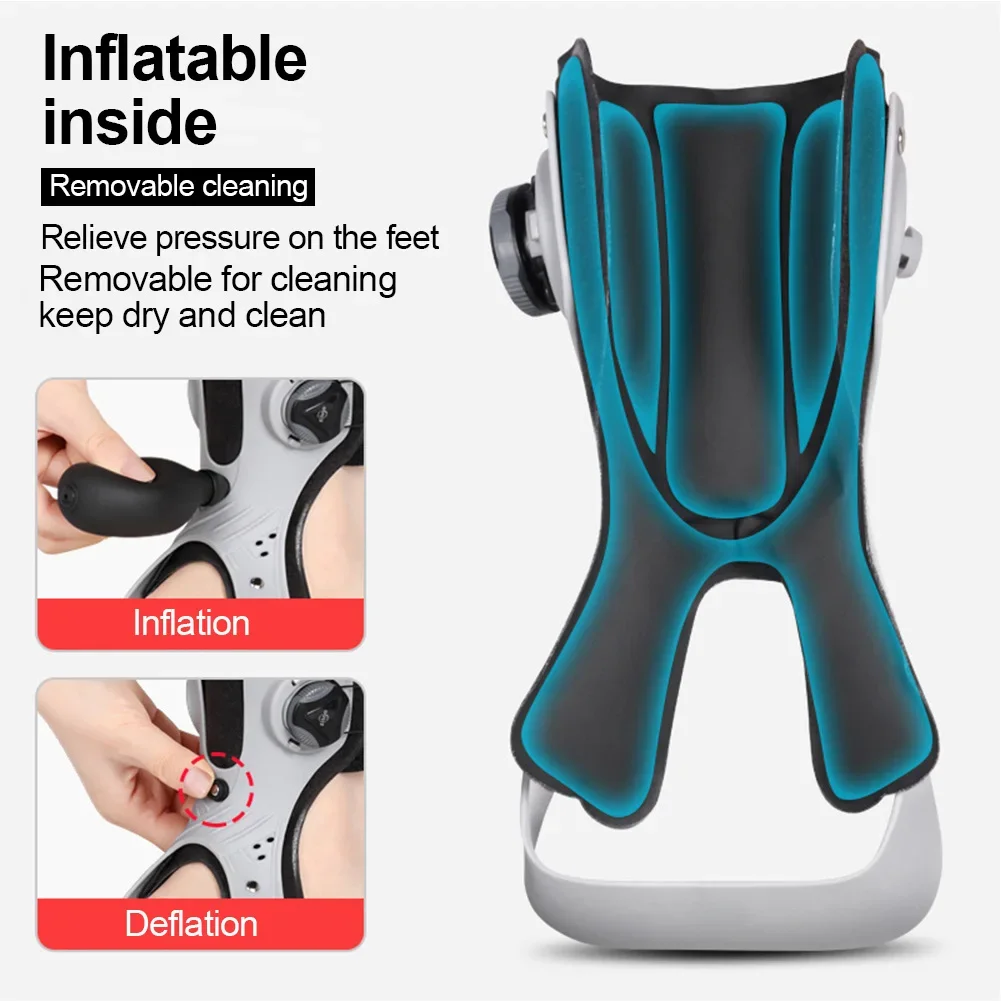
Arrived very fast and in good condition. Everything according to description. Inflator pump and airbag are working well. All other sides after use some time.
All right! All right! All right! All right! All right! All right! All right! All right! All right! All right! All right! All right! All right! All right! All right! All right! All right! All right! All right! All right! All right! All right! All right! All right! All right! All right! All right! All right! All right! All right! All right! All right! All right! All right! All right! All right! All right! All right!
Great item!!!
Works