
Bike Camera: Capture Every Moment of Your Ride
Cycling is more than just a mode of transportation or a form of exercise; it’s an adventure, a passion, and for many, a lifestyle. Whether you’re commuting through the city, exploring scenic trails, or training for a race, capturing your journey can enhance your experience and provide valuable insights. A bike camera is an essential accessory for any cyclist, offering the ability to record rides, improve safety, and share your adventures with others. In this comprehensive product description, we’ll explore the features, benefits, and various models of bike cameras, helping you choose the perfect one for your needs.
Key Features of Bike Cameras
Bike cameras come with a range of features designed to enhance your cycling experience. Here are some of the most important aspects to consider:
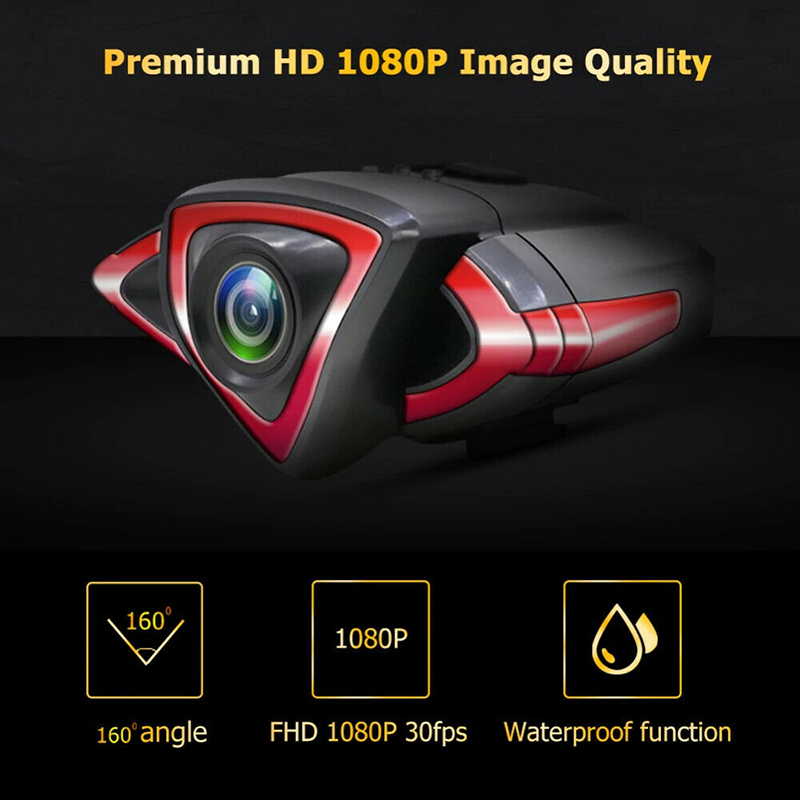
1. High-Definition Video: The quality of the video is crucial for capturing clear and detailed footage. Most modern bike cameras offer Full HD (1080p) or even 4K resolution, ensuring that every moment of your ride is recorded in stunning clarity.
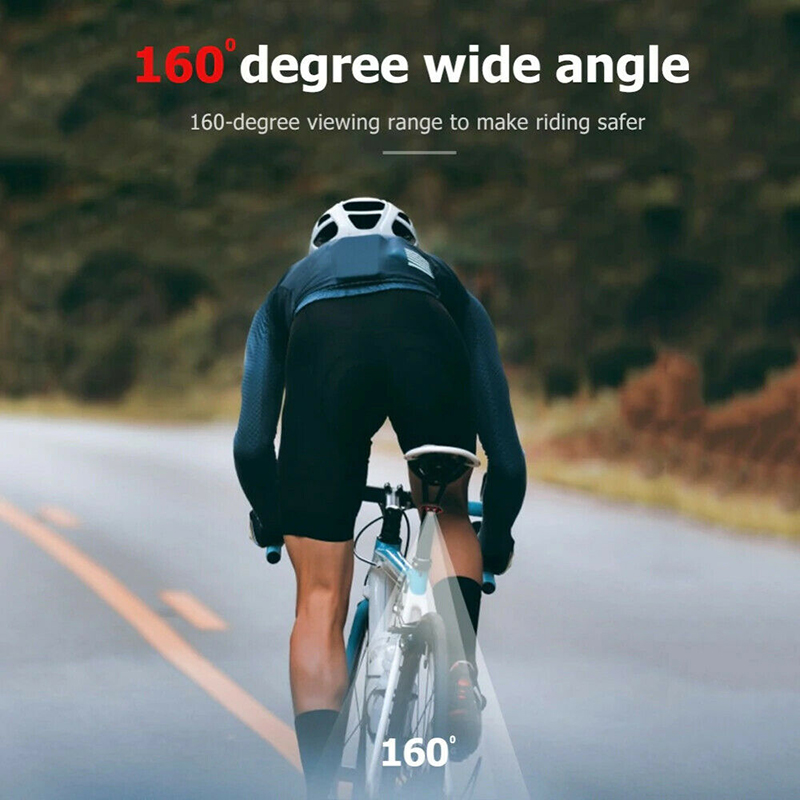
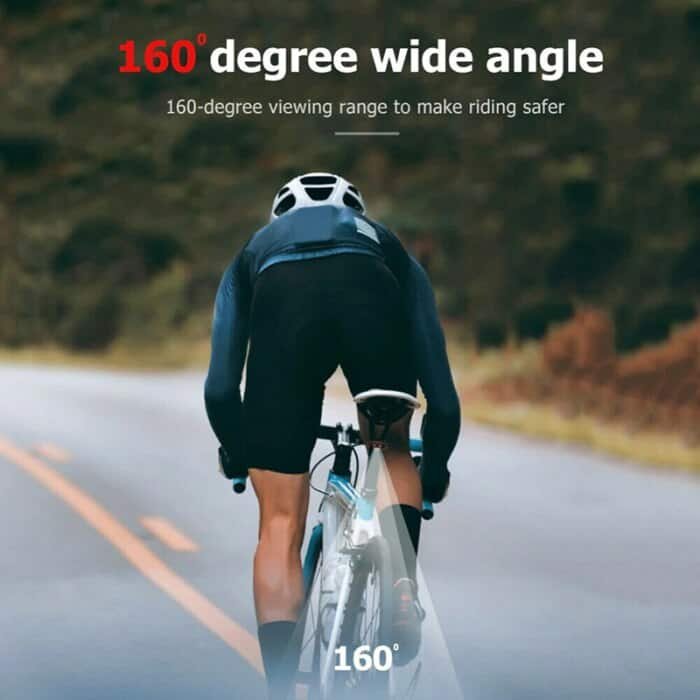
2. Wide Field of View: A wide-angle lens is essential for capturing a broad perspective of your surroundings. Many bike cameras feature ultra-wide lenses with a field of view ranging from 135° to 170°, allowing you to capture more of the road and scenery.
3. Image Stabilization: Cycling can be bumpy, especially on rough terrain. Image stabilization technology helps to smooth out the footage, reducing shakiness and ensuring a clear and stable video.
4. Battery Life: Long battery life is essential for recording extended rides. Look for cameras that offer at least 5-7 hours of continuous recording, so you don’t miss any part of your journey.
5. Durability and Weather Resistance: A good bike camera should be able to withstand the elements. Many models are designed to be water-resistant or waterproof, ensuring they can handle rain, mud, and dust.
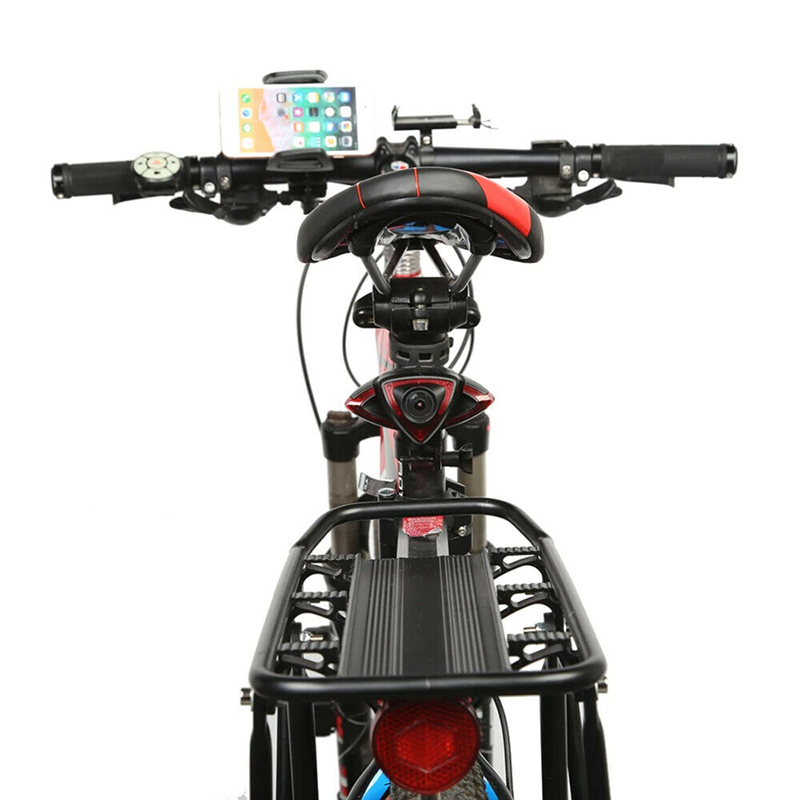
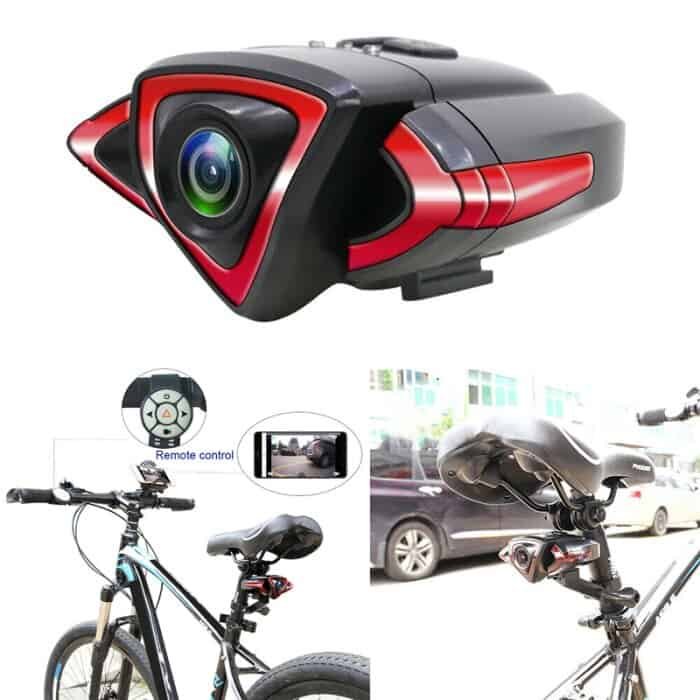
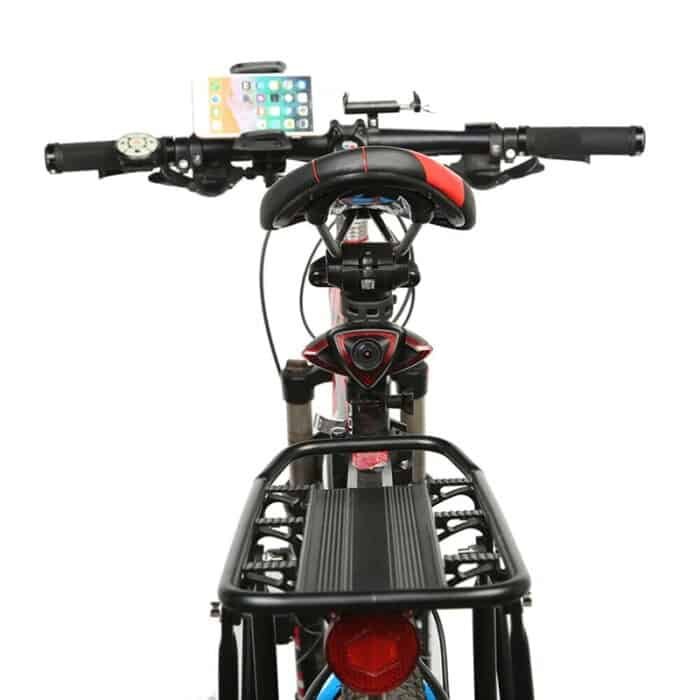
6. Mounting Options: Versatile mounting options allow you to attach the camera to various parts of your bike, such as the handlebars, seat post, or helmet. This flexibility ensures you can capture the best angles and perspectives.
7. Additional Features: Some bike cameras come with extra features like built-in lights, GPS tracking, and incident detection, which can enhance safety and provide valuable data for analyzing your rides.
Benefits of Using a Bike Camera
Using a bike camera offers numerous benefits, from improving safety to capturing memorable moments. Here are some of the key advantages:
1. Safety and Security: Recording your rides can provide crucial evidence in the event of an accident or dispute. Many bike cameras feature incident detection modes that automatically save footage when a crash is detected, ensuring you have a record of what happened.
2. Training and Performance Analysis: For serious cyclists, analyzing ride footage can help identify areas for improvement. By reviewing your rides, you can assess your technique, identify mistakes, and track your progress over time.
3. Sharing Your Adventures: A bike camera allows you to share your cycling experiences with friends, family, and the wider cycling community. Whether you’re documenting a scenic route, a challenging trail, or a competitive race, your footage can inspire and entertain others.
4. Capturing Memories: Cycling often takes you to beautiful and unique locations. A bike camera lets you capture these moments, preserving memories of your adventures that you can look back on and enjoy.
Choosing the Right Bike Camera
Selecting the right bike camera depends on your specific needs and preferences. Here are some factors to consider when making your choice:
1. Purpose: Determine what you primarily want to use the camera for. If safety is your main concern, look for models with incident detection and integrated lights. For capturing high-quality footage, prioritize cameras with high resolution and image stabilization.
2. Mounting Options: Consider where you want to mount the camera. Some cyclists prefer helmet-mounted cameras for a first-person perspective, while others opt for handlebar or seat post mounts for a more stable view.
3. Battery Life: Ensure the camera’s battery life meets your needs. If you plan on recording long rides, look for models with extended battery life or the option to use external power sources.
4. Durability: Choose a camera that can withstand the conditions you’ll be riding in. Waterproof and shockproof models are ideal for off-road and all-weather cycling.
5. Additional Features: Think about any extra features that might be useful, such as GPS tracking, built-in lights, or connectivity with other devices and apps.
Tips for Using Your Bike Camera
To get the most out of your bike camera, follow these tips:
1. Proper Mounting: Ensure the camera is securely mounted to avoid shaky footage. Use the appropriate mounts and adjust the angle to capture the best view.
2. Regular Maintenance: Keep the camera clean and check for any damage regularly. Ensure the lens is free of dirt and smudges to maintain clear video quality.
3. Battery Management: Charge the camera fully before each ride and carry a spare battery or power bank if needed. Turn off the camera when not in use to conserve battery life.
4. Review Footage: Regularly review your footage to analyze your rides and identify any areas for improvement. Save important clips and share your best moments with others.
5. Stay Safe: While capturing footage is exciting, always prioritize safety. Keep your focus on the road and surroundings, and avoid adjusting the camera while riding.
A bike camera is a valuable tool for any cyclist, offering a range of benefits from enhanced safety to capturing memorable moments. With features like high-definition video, wide field of view, and image stabilization, modern bike cameras provide clear and detailed footage of your rides. Whether you’re a commuter, a competitive cyclist, or an adventure seeker, there’s a bike camera that suits your needs.
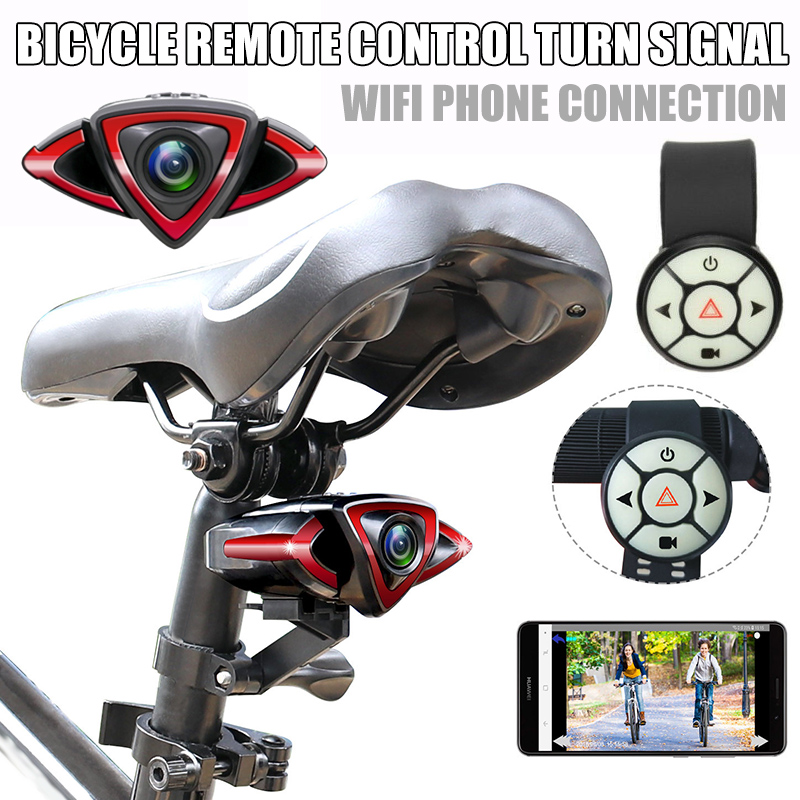
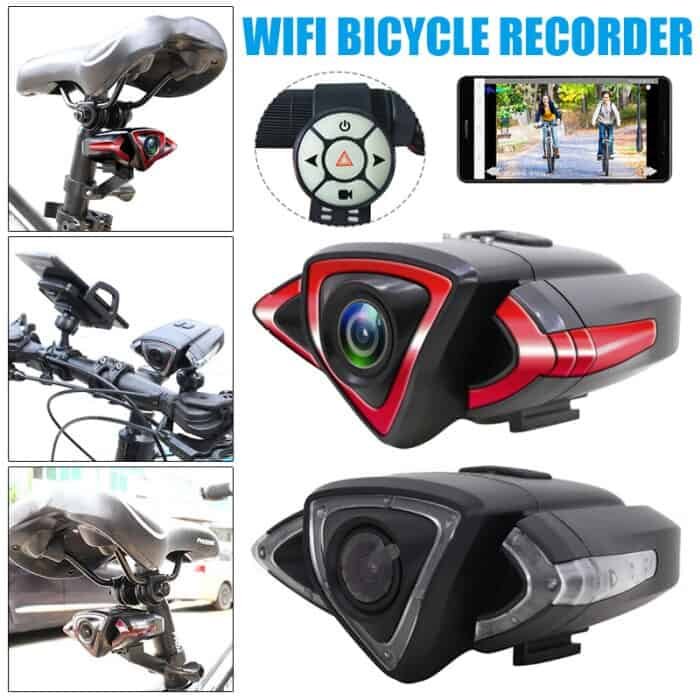
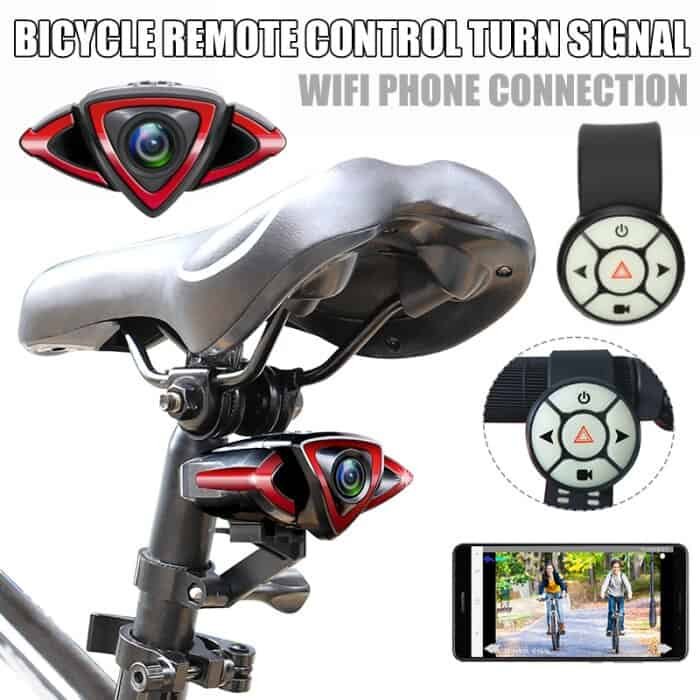
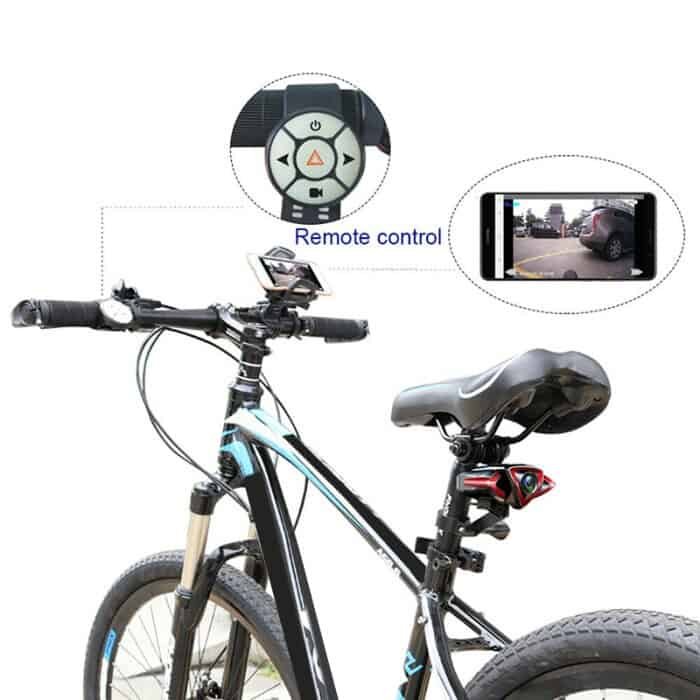
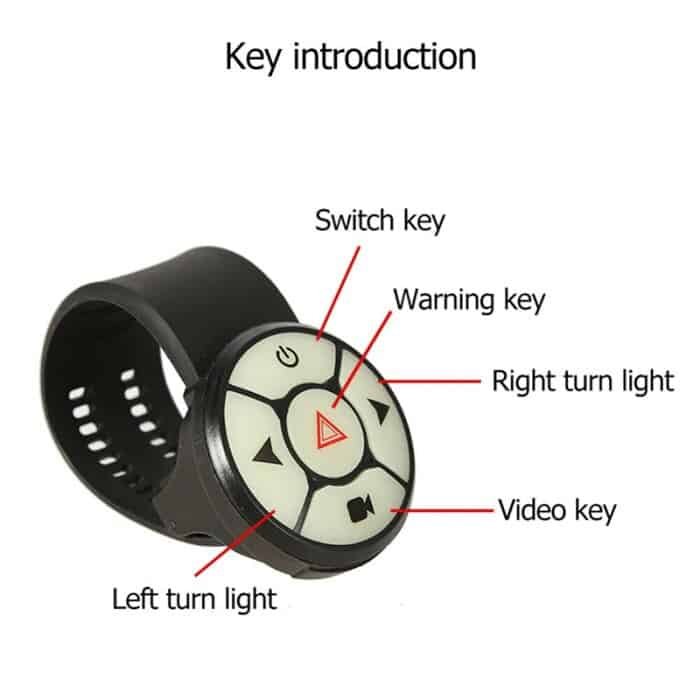
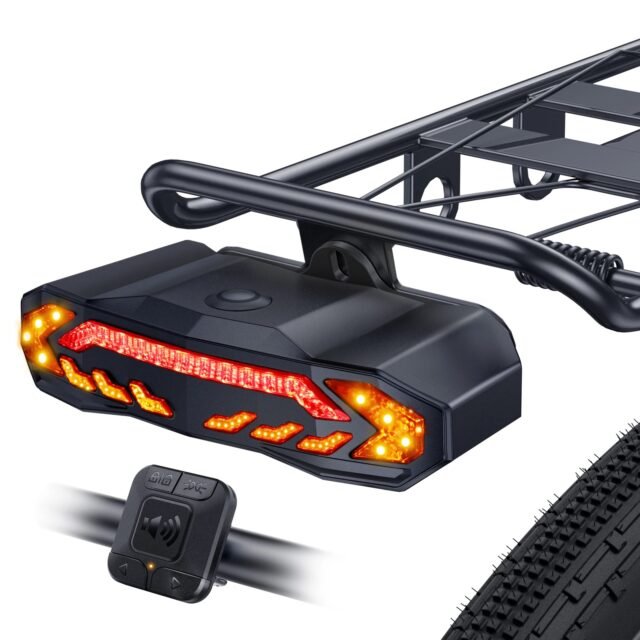
Built-in steering, warning function, night riding safety
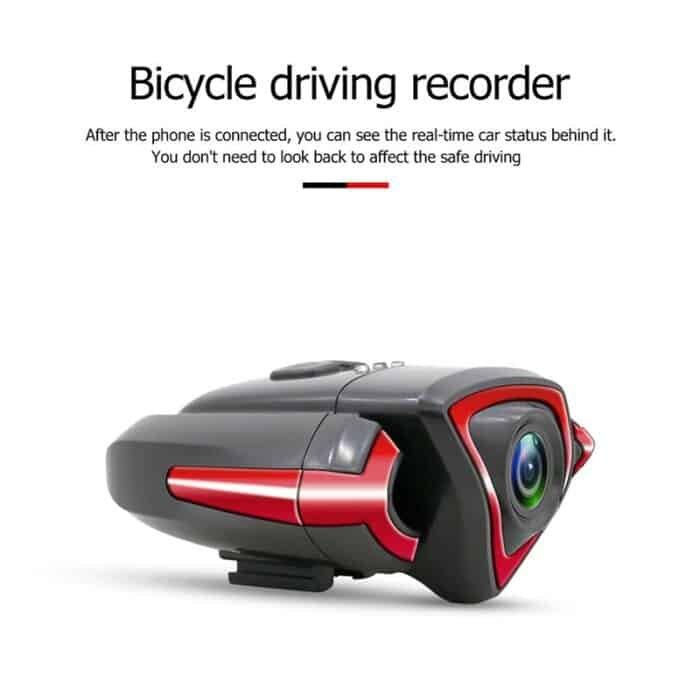
After connecting to the mobile phone, you can watch the real-time traffic conditions behind you, and you can also display the riding speed, bicycle code, etc.
After connecting the phone, choose a domestic or foreign map
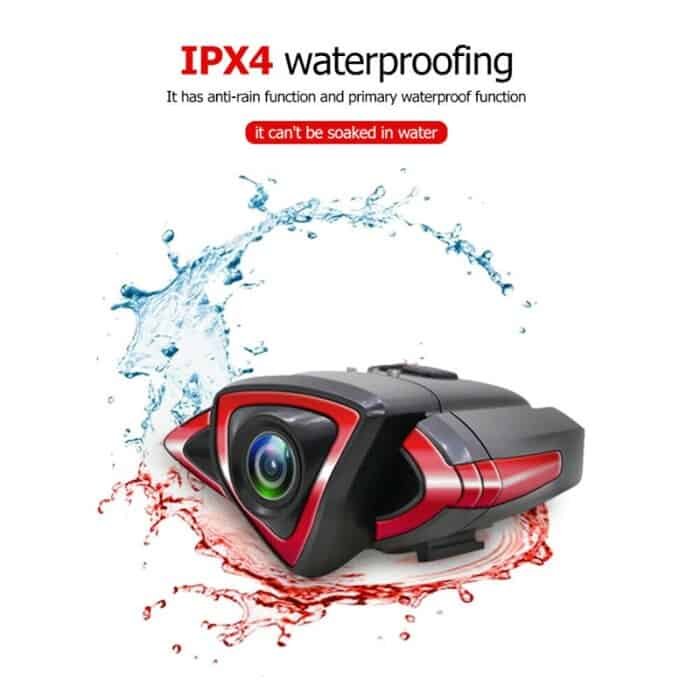
It has the function of primary waterproof and rainproof, but it cannot be immersed in water
Using intelligent overlay technology, the earliest video is automatically deleted when there is insufficient space
Specifications:
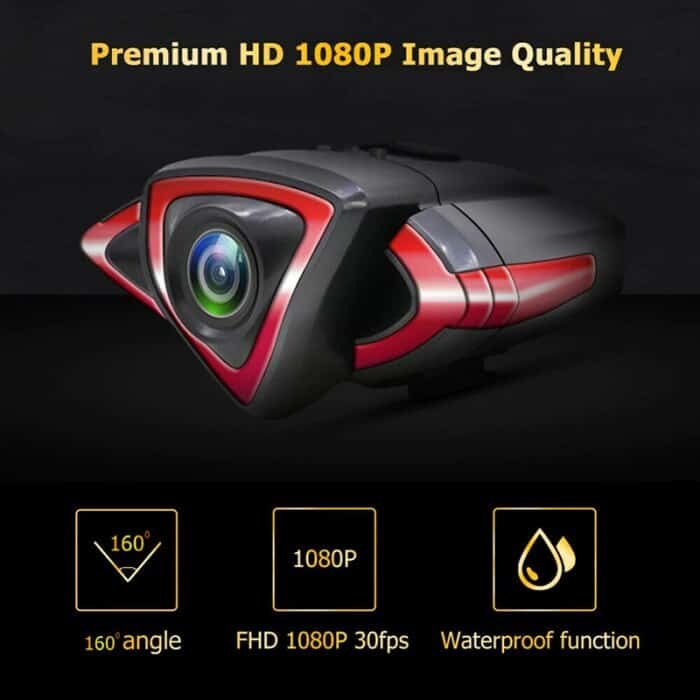
Display: no screen 1080P
Lens: 6 slides, 17mm
Angle: 160 degrees
Size: 8.5*8.5*4.2cm
Menu language: multiple languages can be added
Video resolution: 1080P / 720P
Video frame rate: 25fps / 30fps
File formats: AVI
WiFi function: Yes
Remote operation: yes
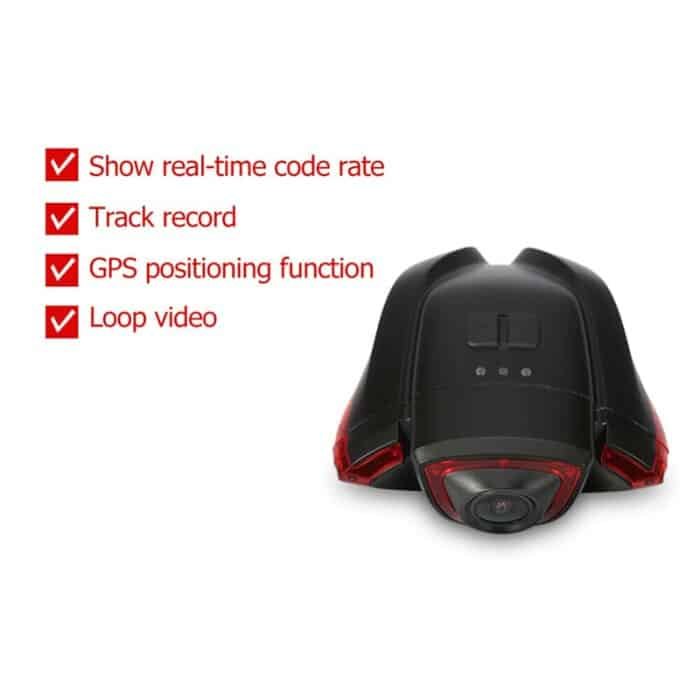
Display real-time code rate: Yes
Driving track record: yes
GPS positioning function: Yes
Loop video: Yes
Video and audio: Yes
Turn indicator: Yes
Life time: 4-5 hours
Built-in battery: 2400MAH
Waterproof function: primary waterproof
Storage card: external TF card (support 4GB-32GB)










Average quality, stable signal