Gravel biking has surged in popularity, offering a thrilling blend of road cycling and mountain biking. As more cyclists venture off the beaten path, the debate over the best gearing setup for gravel bikes—1x (single chainring) or 2x (double chainring)—has intensified. Each system has its proponents and unique advantages, making the choice largely dependent on individual riding styles and preferences. In this blog, we’ll delve into the intricacies of both 1x and 2x drivetrains, helping you decide which is best for your gravel adventures.
Understanding 1x and 2x Drivetrains
Before diving into the pros and cons, it’s essential to understand what 1x and 2x drivetrains entail.
• 1x Drivetrain: This setup features a single chainring at the front and a wide-range cassette at the rear. It simplifies the bike’s mechanics by eliminating the front derailleur and shifter.
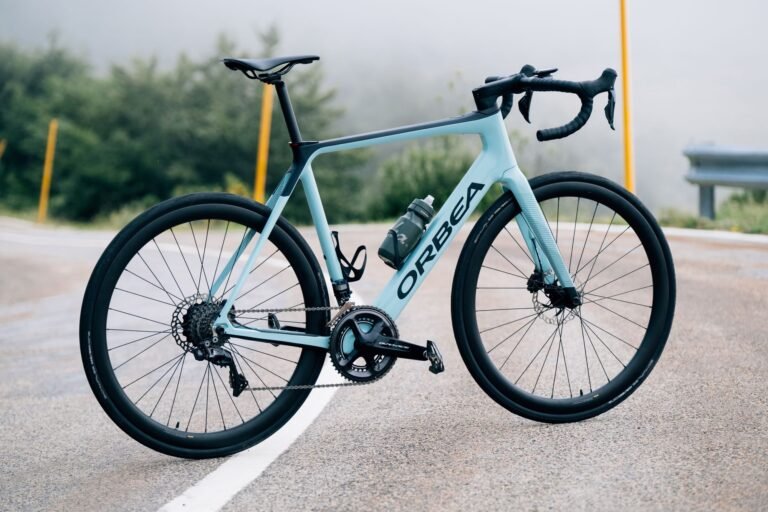
• 2x Drivetrain: This system includes two chainrings at the front and a narrower-range cassette at the rear. It requires a front derailleur and shifter to switch between the chainrings.
Advantages of 1x Drivetrains
1. Simplicity and Reliability: One of the most significant benefits of a 1x drivetrain is its simplicity. With fewer components, there’s less that can go wrong. This setup eliminates the need for a front derailleur, reducing the chances of mechanical issues and making maintenance easier.
2. Weight Savings: By removing the front derailleur, shifter, and an extra chainring, a 1x drivetrain is generally lighter. This weight reduction can be particularly beneficial for competitive riders looking to shave off every possible gram.
3. Ease of Use: For many riders, especially those new to gravel biking, a 1x system is more intuitive. There’s no need to worry about shifting between chainrings, allowing riders to focus on the terrain and their ride.
4. Better Chain Retention: Modern 1x drivetrains often feature narrow-wide chainrings and clutch derailleurs, which help keep the chain in place even on rough terrain. This reduces the risk of chain drops, a common issue with 2x systems.
Disadvantages of 1x Drivetrains
1. Limited Gear Range: One of the primary drawbacks of a 1x system is its limited gear range. While modern cassettes offer a wide range of gears, they may not provide the same high and low extremes as a 2x system.
2. Larger Gear Steps: With fewer gears available, the steps between each gear can be larger. This can make it harder to find the perfect cadence, especially on varied terrain.
3. Potential for Increased Wear: Because a 1x drivetrain relies heavily on the rear cassette, the components may wear out faster. The chain, cassette, and chainring can experience more stress, leading to more frequent replacements.
Advantages of 2x Drivetrains
1. Wider Gear Range: A 2x drivetrain offers a broader range of gears, making it easier to tackle both steep climbs and fast descents. This versatility is particularly beneficial for riders who encounter varied terrain on their rides.
2. Smaller Gear Steps: With more gears available, the steps between each gear are smaller. This allows for smoother transitions and helps riders maintain an optimal cadence, which can be crucial for long-distance rides.
3. Efficiency: On flat or rolling terrain, a 2x system can be more efficient. The ability to fine-tune your gear selection means you can maintain a steady pace with less effort.
Disadvantages of 2x Drivetrains
1. Complexity and Maintenance: A 2x drivetrain is more complex, with additional components like the front derailleur and shifter. This complexity can lead to more maintenance and a higher likelihood of mechanical issues.
2. Weight: The additional components of a 2x system add weight to the bike. While this may not be a significant concern for casual riders, it can be a drawback for competitive cyclists looking to minimize weight.
3. Chain Drops: Although modern front derailleurs are quite reliable, there’s still a risk of chain drops, especially on rough terrain. This can be frustrating and time-consuming to fix during a ride.
Choosing the Right System for Your Riding Style
The decision between a 1x and 2x drivetrain ultimately depends on your riding style, terrain, and personal preferences. Here are some considerations to help you make an informed choice:
1. Terrain: If you frequently ride on varied terrain with steep climbs and fast descents, a 2x drivetrain’s wider gear range may be more suitable. Conversely, if your rides are mostly on flat or rolling terrain, a 1x system’s simplicity and reliability might be more appealing.
2. Riding Style: Competitive riders who prioritize weight savings and simplicity may prefer a 1x drivetrain. On the other hand, long-distance riders who need a wide range of gears for different conditions might find a 2x system more beneficial.
3. Maintenance: If you prefer a low-maintenance setup, a 1x drivetrain’s simplicity can be a significant advantage. However, if you’re comfortable with more frequent maintenance and adjustments, a 2x system’s benefits might outweigh its complexity.
4. Experience Level: Newer riders might find a 1x system easier to use and maintain, while experienced cyclists who are accustomed to road bike gearing might prefer the familiarity and versatility of a 2x drivetrain.
Real-World Examples and Testimonials
To provide a more comprehensive perspective, let’s look at some real-world examples and testimonials from gravel cyclists who have chosen either 1x or 2x drivetrains:
• John, a Competitive Racer: “I switched to a 1x drivetrain last year, and it’s been a game-changer. The weight savings and simplicity are perfect for racing. I don’t miss the extra gears, and the narrow-wide chainring has kept my chain secure even on the roughest courses.”
• Sarah, a Long-Distance Rider: “For my bikepacking adventures, a 2x drivetrain is essential. The wide gear range helps me tackle steep climbs with a loaded bike, and the smaller gear steps make long days in the saddle more comfortable. Yes, it’s a bit more maintenance, but it’s worth it for the versatility.”
• Mike, a Weekend Warrior: “I ride mostly on flat gravel paths and some light trails. The 1x setup is perfect for me. It’s easy to maintain, and I love not having to think about shifting between chainrings. Plus, it’s lighter, which is always a bonus.”
Future Trends in Gravel Bike Gearing
The gravel bike market is continually evolving, and drivetrain technology is no exception. Here are some trends and innovations to watch for in the coming years:
1. Wider Range Cassettes: Manufacturers are developing cassettes with even wider ranges, allowing 1x drivetrains to offer more gears without sacrificing simplicity. This could make 1x systems even more appealing to a broader range of riders.
2. Electronic Shifting: Electronic shifting systems are becoming more common in gravel biking. These systems can provide precise, reliable shifts and reduce the risk of chain drops. Both 1x and 2x drivetrains can benefit from this technology.
3. Hybrid Systems: Some manufacturers are experimenting with hybrid systems that combine the best features of 1x and 2x drivetrains. These setups aim to provide a wide gear range and simplicity, potentially offering a new solution for gravel cyclists.
The choice between a 1x and 2x drivetrain for your gravel bike is a personal one, influenced by your riding style, terrain, and preferences. Both systems have their unique advantages and drawbacks, and understanding these can help you make an informed decision.
A 1x drivetrain offers simplicity, reliability, and weight savings, making it ideal for competitive riders and those who prefer low-maintenance setups. On the other hand, a 2x drivetrain provides a wider gear range, smaller gear steps, and greater efficiency, which can be beneficial for long-distance riders and those tackling varied terrain.