Losing a bicycle to theft can be a frustrating and disheartening experience. For many, a bicycle is not just a mode of transportation but a valuable possession, a fitness tool, or even a source of joy. The good news is that with advancements in technology and a proactive approach, tracking a stolen bicycle has become more feasible than ever before. In this blog, we’ll explore various methods to track a stolen bicycle, preventive measures to safeguard your bike, and steps to take if your bike is stolen.
Before diving into how to track a stolen bicycle, it’s crucial to emphasize the importance of preparation. Taking preventive measures can significantly increase your chances of recovering your bike if it’s stolen. Here are some steps to take before theft occurs:
Registering your bicycle with a national or local bike registry is one of the most effective ways to ensure its recovery. Services like Bike Index, Project 529, or national databases allow you to upload your bike’s details, including its serial number, photos, and distinguishing features. If your bike is stolen, you can report it as stolen on the registry, making it easier for law enforcement and the cycling community to identify and return it.
Keep a record of your bicycle’s make, model, serial number, and any unique features (e.g., scratches, custom parts). Take clear photos of your bike from multiple angles. This information will be invaluable when filing a police report or searching for your bike online.
Invest in a high-quality U-lock or heavy-duty chain lock. While no lock is entirely theft-proof, a robust lock can deter thieves and buy you time. Always lock your bike to a secure, immovable object, even if you’re leaving it unattended for just a few minutes.
Consider insuring your bicycle, especially if it’s an expensive model. Many homeowner’s or renter’s insurance policies cover bicycle theft, or you can purchase standalone bike insurance. This won’t help you track your bike, but it can provide financial compensation if it’s stolen.
One of the most effective ways to track a stolen bicycle is by installing a GPS tracker. These small devices can be hidden on your bike and allow you to monitor its location in real-time via a smartphone app. Popular options include SpyBike, Sherlock, and Invoxia. While GPS trackers require a subscription fee, they offer peace of mind and a high chance of recovery.
If your bicycle is stolen, time is of the essence. The sooner you act, the better your chances of recovering it. Here’s what to do:
File a police report as soon as possible. Provide them with all the details you’ve recorded, including photos, the serial number, and any unique identifiers. A police report is essential for insurance claims and increases the likelihood of your bike being returned if it’s found.
If you’ve registered your bike with a database like Bike Index or Project 529, mark it as stolen on the platform. These registries have large communities of cyclists and law enforcement officers who can help identify and recover stolen bikes.
Thieves often try to sell stolen bikes on online marketplaces like Craigslist, eBay, Facebook Marketplace, or local classifieds. Regularly search these platforms for listings that match your bike’s description. If you find your bike, do not confront the seller directly. Instead, inform the police and provide them with the listing details.
Social media platforms can be powerful tools for tracking stolen bicycles. Post about your stolen bike on local cycling groups, community pages, and platforms like Twitter and Instagram. Include photos, a description, and the location where it was stolen. The cycling community is often very supportive and may help spread the word.
If you’ve installed a GPS tracker on your bike, use the associated app to locate its current position. Share this information with the police, but avoid confronting the thief yourself, as this can be dangerous.
Thieves may attempt to sell stolen bikes to pawn shops or local bike shops. Visit these establishments in your area and provide them with your bike’s details. Many shops are willing to cooperate with law enforcement and may alert you if your bike turns up.
If the above steps don’t yield results, consider these advanced methods to track your stolen bicycle:
Bluetooth trackers like Apple AirTag or Tile can be discreetly attached to your bike. While they don’t have the range of GPS trackers, they rely on a network of devices to pinpoint your bike’s location. If your bike is within range of another device, you’ll receive a notification with its location.
Some smart locks, like the Skylock or Bitlock, come with built-in GPS tracking and anti-theft features. These locks can send alerts to your phone if your bike is moved without your permission and provide real-time location updates.
Some companies specialize in recovering stolen bikes. For example, Bike Shepherd offers a recovery service where they use social media, online marketplaces, and their network to track down stolen bicycles. While these services often come at a cost, they can be worth it for high-value bikes.
If your bike was stolen from a public place, check for nearby surveillance cameras. Ask businesses or homeowners if they have footage that could help identify the thief or the direction they went. Share this information with the police.
While tracking a stolen bicycle is possible, prevention is always better than cure. Here are some additional tips to protect your bike:
Thieves are less likely to target bikes parked in well-lit, busy areas. Whenever possible, choose secure bike racks or designated parking zones.
Using two different types of locks (e.g., a U-lock and a cable lock) can make it more difficult for thieves to steal your bike. Lock both the frame and wheels to a secure object.
Detach easily removable accessories like lights, saddlebags, or GPS devices when leaving your bike unattended. This reduces the likelihood of theft and makes your bike less appealing to thieves.
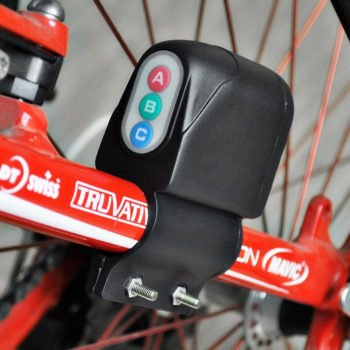
Bike alarms are small devices that emit a loud sound when someone tampers with your bike. These can deter thieves and alert nearby people to the theft.
Local bike shops can be valuable allies in recovering a stolen bike. They may recognize your bike if a thief brings it in for repairs or tries to sell it.
Despite your best efforts, there’s a chance you may not recover your stolen bicycle. In such cases, here’s what you can do:
If you have bike insurance, file a claim to recover the financial loss. Provide the police report and any other required documentation.
Reflect on what happened and identify areas where you can improve your bike’s security. For example, you might invest in a better lock, install a GPS tracker, or avoid leaving your bike in vulnerable locations.
Join or support organizations and initiatives that work to combat bike theft. Many cities have bike advocacy groups that push for better infrastructure, security, and policies to protect cyclists.
While having your bicycle stolen is a distressing experience, there are numerous ways to track and potentially recover it. By taking preventive measures, using technology like GPS trackers, and leveraging the power of community and law enforcement, you can significantly increase your chances of getting your bike back. Remember, preparation is key—register your bike, record its details, and invest in quality security measures. And if the worst happens, act quickly and methodically to maximize your chances of success.
By staying vigilant and proactive, you can protect your bicycle and enjoy many more miles of riding without the fear of theft. Happy cycling!