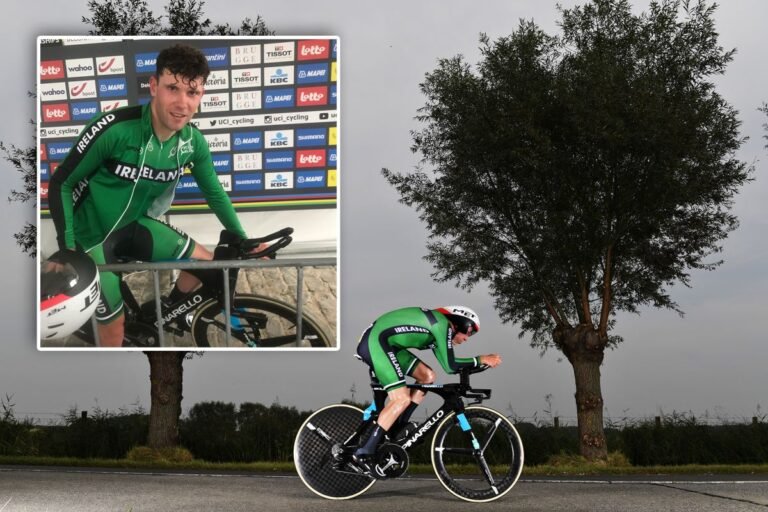
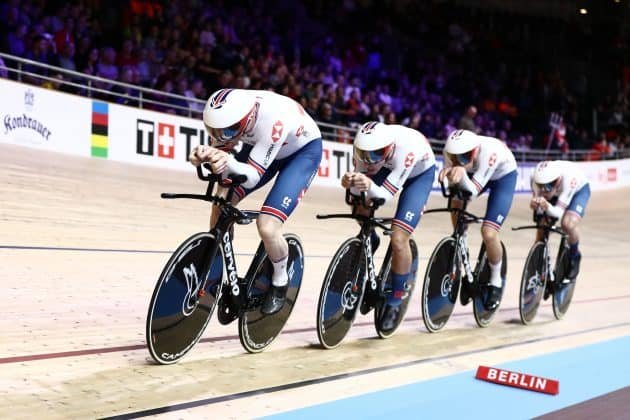
Professional cyclists are among the fittest athletes in the world, capable of enduring grueling races like the Tour de France, Giro d’Italia, and classics such as Paris-Roubaix. But what does it take to reach that level? A pro cyclist’s training plan is meticulously structured, balancing endurance, strength, recovery, and race-specific preparation.
In this blog, we’ll break down the key components of a professional cyclist’s training regimen, including:
Pro cyclists don’t train at the same intensity year-round. Instead, they follow a periodized training plan, dividing the season into phases:
This approach prevents burnout and ensures peak performance during major races.
Before a cyclist can sprint or climb efficiently, they need a strong aerobic foundation. Base training consists of long, low-intensity rides (Zone 2 heart rate) to improve fat metabolism and endurance.
Example: A typical base training week might include three long rides (4–6 hours), two recovery rides, and one strength session.
Once the endurance base is set, pros incorporate high-intensity interval training (HIIT) to increase power and race readiness.
Example workout:
These sessions are brutal but essential for competing in breakaways and climbs.
Cycling isn’t just about leg strength—core stability, flexibility, and injury prevention are crucial. Pros typically spend 2–3 days per week in the gym during the off-season and base phase.
As race season approaches, gym work shifts toward maintenance rather than heavy lifting.
Many amateurs underestimate recovery, but pros prioritize it just as much as training. Without proper rest, performance declines and injury risk rises.
Teams use tools like WHOOP bands and heart rate variability (HRV) monitors to track recovery.
Pros consume 5,000–8,000 calories per day during heavy training blocks. A typical diet includes:
During rides:
Post-ride, they prioritize protein shakes and carb-rich meals within 30 minutes to optimize recovery.
Training adapts based on the event:
Teams also conduct recon rides to study key race sections.
Modern pros rely on data to fine-tune performance:
Coaches adjust workouts based on these metrics to avoid overtraining.
A pro cyclist’s training plan is a science-backed balance of volume, intensity, recovery, and nutrition. While amateurs don’t need to replicate this exactly, understanding these principles can help any cyclist improve.
✔ Periodization ensures peak performance when it matters.
✔ Base miles build endurance; HIIT boosts race fitness.
✔ Strength work prevents injuries and improves power.
✔ Recovery is as important as training.
✔ Nutrition and tech play crucial roles in success.
Whether you’re a weekend warrior or aspiring racer, applying these strategies can take your cycling to the next level.