The Ultimate Guide to the Best Disc Brake Pads for Cyclists
When it comes to cycling, safety and performance are paramount. One of the most critical components ensuring both is the disc brake system, and at the heart of this system are the brake pads. Whether you’re a seasoned cyclist or a beginner, understanding the importance of disc brake pads and knowing which ones to choose can significantly enhance your riding experience. In this comprehensive guide, we’ll delve into the world of disc brake pads, exploring the different types, materials, and top recommendations to help you make an informed decision.
Understanding Disc Brake Pads
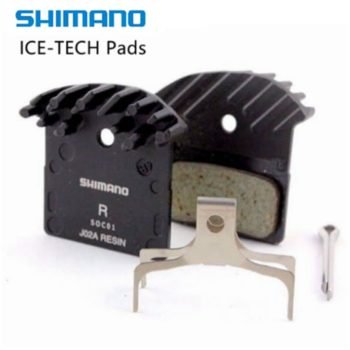
Disc brake pads are the replaceable friction pads that clamp onto the rotor to create the necessary friction to stop your bike. They are a crucial part of the disc brake system, which has become the standard for most modern bicycles due to its superior stopping power and reliability, especially in adverse weather conditions.
Types of Disc Brake Pads
There are primarily two types of disc brake pads: organic and metallic (also known as sintered). Each type has its own set of advantages and disadvantages, making them suitable for different riding conditions and styles.
- Organic Brake Pads:
- Composition: Made from a mixture of fibers, resins, and fillers, organic pads are softer and quieter.
- Performance: They provide excellent modulation and are less abrasive on rotors, making them ideal for dry conditions and less aggressive riding.
- Durability: Organic pads tend to wear out faster, especially in wet or muddy conditions, as they are more susceptible to heat and moisture.
- Metallic (Sintered) Brake Pads:
- Composition: Made from metal particles sintered together under high pressure and temperature, these pads are harder and more durable.
- Performance: They offer superior stopping power, especially in wet and muddy conditions, and are more resistant to heat buildup.
- Durability: Metallic pads last longer than organic pads but can be noisier and more abrasive on rotors.
Choosing the Right Brake Pads
Selecting the right brake pads depends on several factors, including your riding style, the conditions you typically ride in, and your bike’s braking system. Here are some key considerations:
- Riding Conditions: If you frequently ride in wet, muddy, or harsh conditions, metallic pads are generally the better choice due to their durability and consistent performance. For dry and less demanding conditions, organic pads may suffice.
- Riding Style: Aggressive riders who demand high performance and frequent braking may prefer metallic pads for their superior stopping power and heat resistance. Casual riders might find organic pads more than adequate.
- Rotor Compatibility: Ensure that the brake pads you choose are compatible with your bike’s rotors. Some rotors are designed specifically for organic or metallic pads, and using the wrong type can lead to reduced performance or damage.
Top Disc Brake Pads Recommendations
Based on expert reviews and user feedback, here are some of the best disc brake pads available on the market:
1. Shimano Dura-Ace Disc Brake Pads
- Type: Organic
- Performance: Known for their exceptional modulation and quiet operation, these pads are perfect for road cyclists who prioritize smooth and controlled braking.
- Durability: While they may wear out faster in harsh conditions, their performance in dry conditions is unmatched.
2. SRAM Red Disc Brake Pads
- Type: Metallic
- Performance: These pads offer excellent stopping power and are highly durable, making them ideal for aggressive riders and those who frequently ride in wet conditions.
- Durability: The metallic composition ensures a longer lifespan, even under demanding conditions.
3. SwissStop Disc Brake Pads
- Type: Organic
- Performance: SwissStop is renowned for its high-quality brake pads, and their organic discs are no exception. They provide superb modulation and are very quiet.
- Durability: While they may not last as long as metallic pads, their performance in dry conditions is top-notch.
4. Jagwire Disc Brake Pads
- Type: Organic and Metallic options
- Performance: Jagwire offers a range of brake pads to suit different needs. Their organic pads are great for casual riders, while their metallic pads are perfect for more demanding conditions.
- Durability: Both options are well-regarded for their durability and consistent performance.
5. Kool-Stop Disc Brake Pads
- Type: Organic
- Performance: Kool-Stop pads are known for their excellent stopping power and modulation. They are particularly popular among mountain bikers.
- Durability: These pads are durable and perform well in a variety of conditions, making them a versatile choice.
6. Hope Tech 3 Disc Brake Pads
- Type: Metallic
- Performance: Hope’s metallic pads are designed for high-performance riding, offering exceptional stopping power and heat resistance.
- Durability: These pads are built to last, even under the most demanding conditions, making them a favorite among serious cyclists.
7. TRP Disc Brake Pads
- Type: Organic and Metallic options
- Performance: TRP offers a range of brake pads that cater to different riding styles and conditions. Their organic pads are great for smooth and quiet braking, while their metallic pads provide robust stopping power.
- Durability: Both options are durable and reliable, ensuring consistent performance over time.
Maintenance Tips for Disc Brake Pads
To ensure optimal performance and longevity of your disc brake pads, regular maintenance is essential. Here are some tips to keep your brake pads in top condition:
- Regular Inspection: Check your brake pads regularly for wear and tear. Most pads have wear indicators, but it’s a good practice to visually inspect them for any signs of uneven wear or damage.
- Cleaning: Keep your brake pads and rotors clean. Dirt, oil, and debris can reduce braking performance. Use a clean cloth and isopropyl alcohol to clean the pads and rotors.
- Bedding In: When installing new brake pads, it’s crucial to bed them in properly. This involves a series of controlled stops to transfer an even layer of pad material onto the rotor, ensuring optimal braking performance.
- Avoid Contamination: Be cautious when applying lubricants or cleaning agents near your brakes. Contamination can significantly reduce braking efficiency and may require replacing the pads.
- Replace When Necessary: Don’t wait until your brake pads are completely worn out. Replace them when they reach the minimum thickness recommended by the manufacturer to ensure safe and effective braking.
Disc brake pads are a vital component of your bike’s braking system, and choosing the right ones can make a significant difference in your riding experience. Whether you opt for organic or metallic pads, understanding their characteristics and how they align with your riding needs is key. Regular maintenance and timely replacement will ensure that your brakes perform reliably, keeping you safe on the road or trail.
By considering the recommendations and tips outlined in this guide, you can make an informed decision and enjoy the confidence that comes with knowing your bike is equipped with the best disc brake pads for your specific needs. Happy cycling!